 comparison
Smart Deadbolts vs Traditional Locks: Rural Homes 2026
Table of Contents
- Smart Deadbolts vs Traditional Locks: Key Differences
- Comparison Table: Smart Deadbolts vs Traditional Locks
- Smart Locks Without Wi-Fi: Offline Options for Rural Areas
- Smart Lock Battery Life: What Rural Homeowners Need to Know
- UK Door Lock Standards and Compliance
- Installation and Maintenance: Smart vs Traditional
- Signs Your Door Locks Need Replacing
- Choosing the Right Lock for Your Rural Home
- Frequently Asked Questions
Last Updated: October 14, 2026
Smart Deadbolts vs Traditional Locks: Key Differences
When you're securing a rural home, the choice between smart deadbolts and traditional locks shapes everything from daily convenience to long-term security. Smart deadbolts offer keyless entry and remote access, while traditional locks provide mechanical reliability with no batteries or connectivity concerns. Understanding how each works is the first step toward choosing the right protection for your property.
At N&G Locksmiths Service Ltd, we've helped hundreds of homeowners across Norfolk, Suffolk, and Cambridgeshire evaluate this decision. The comparison between smart deadbolts and traditional locks isn't about which is universally "better", it's about which matches your specific needs, your rural location's infrastructure, and your comfort with technology.
How Smart Deadbolts Work
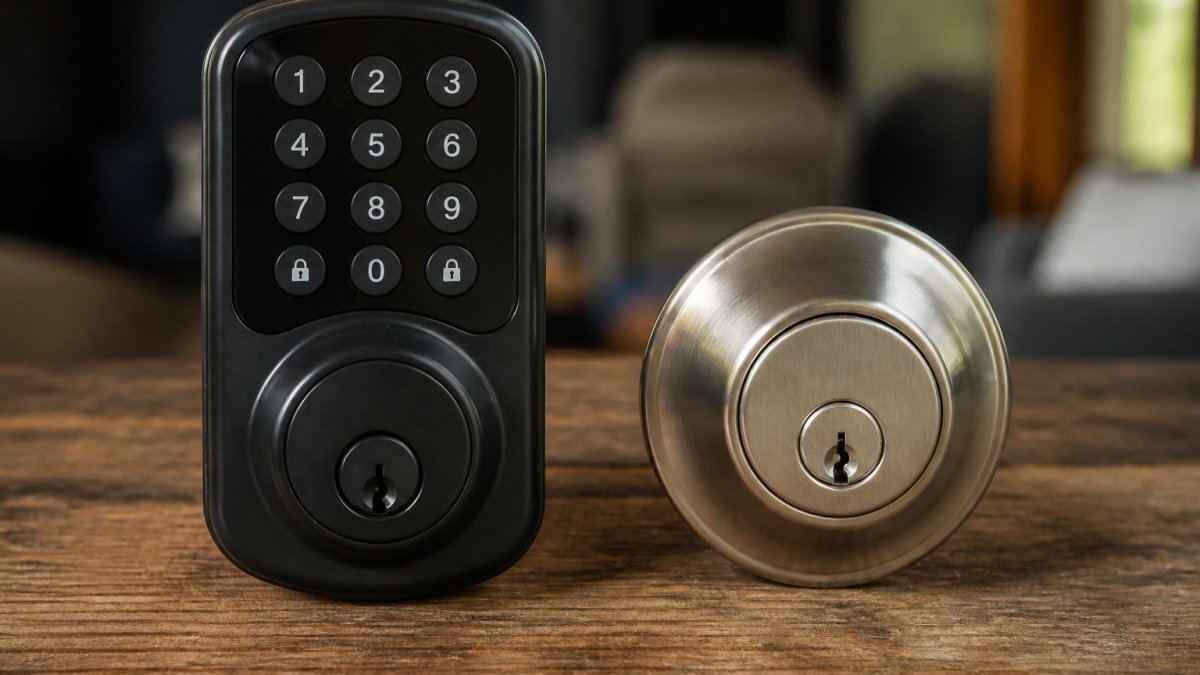
Smart deadbolts use electronic mechanisms controlled via smartphone apps, keypads, or voice commands. When you unlock your door remotely, the deadbolt retracts electronically. Most models connect through Wi-Fi, Bluetooth, or cellular networks to send lock status updates and receive commands from your phone.
The core components include a motorised bolt mechanism, a control module, a battery pack (usually AA or 9V batteries), and wireless connectivity hardware. When you enter a code or tap your phone, the system verifies your identity and signals the motor to move the bolt. Some models, like the Schlage Arrive Smart WiFi Deadbolt, emphasise strong hardware and straightforward installation for homeowners seeking connected entry without complexity.
Battery life typically ranges from several months to a year, depending on usage frequency and model. Most smart locks alert you when battery levels drop, giving you time to replace them before the lock fails.
How Traditional Locks Work
Traditional deadbolts operate purely mechanically. A key turns a cylinder, which rotates internal pins to align with a shear line. This alignment allows the bolt to retract, opening the door. No electricity, no connectivity, no batteries required.
The simplicity is both strength and limitation. A traditional lock works identically whether it's raining, snowing, or during a power outage. You cannot lock or unlock remotely, but you also cannot be locked out by a dead battery or lost Wi-Fi connection. For rural properties where internet connectivity is unreliable or absent, this mechanical certainty matters.
Traditional locks require physical keys. Losing a key means rekeying the lock or replacing it entirely. Sharing access requires duplicating keys, which leaves a paper trail and makes it impossible to revoke access remotely.
Comparison Table: Smart Deadbolts vs Traditional Locks
| Feature | Smart Deadbolts | Traditional Locks |
|---|---|---|
| Remote access | Yes, via app or phone | No |
| Battery required | Yes (6-12 months typical) | No |
| Internet connectivity | Yes (Wi-Fi or Bluetooth) | No |
| Installation complexity | Moderate (usually DIY-friendly) | Low (often DIY) |
| Cost | Higher upfront | Lower upfront |
| Key management | Digital codes/apps | Physical keys only |
| Offline operation | Limited (some models have keypads) | Always works |
| Maintenance | Battery replacement, software updates | Occasional lubrication |
| Rural suitability | Depends on connectivity | Excellent in all conditions |
| Emergency access | Via app, code, or backup key | Key or locksmith only |
Smart Locks Without Wi-Fi: Offline Options for Rural Areas
If your rural property lacks reliable broadband, Wi-Fi-dependent smart locks may frustrate you. Fortunately, several smart deadbolts function without internet by using offline access methods.
Keypad-based smart locks let you enter a numeric code directly on the lock itself. No app, no Wi-Fi, no Bluetooth required. You program codes into the lock's memory, and anyone with a code can unlock the door. Models like the Kwikset SmartCode 913 offer this offline capability, making them suitable for rural homes where internet is sporadic or unavailable.
Bluetooth-only locks work within a short range (typically 10 metres) without needing Wi-Fi. If your phone is near the door, you can unlock it via Bluetooth. This works in rural areas but requires you to be physically close to the property.
The trade-off is clear: offline smart locks lose remote access. You cannot unlock the door from miles away or grant access to a visitor remotely. But they retain keyless entry and access logging, which traditional locks cannot offer.
For rural homeowners in areas with poor connectivity, an offline keypad smart lock often provides the best balance. You get the convenience of keyless entry without depending on internet infrastructure that may not exist near your property.
Smart Lock Battery Life: What Rural Homeowners Need to Know
Battery life is the hidden cost of smart deadbolts. Most models use standard AA or 9V batteries, which last between 6 and 12 months depending on how frequently you unlock the door. A household that uses the smart lock 10 times daily will drain batteries faster than one that uses it twice daily.
Cold weather accelerates battery drain. Rural properties in northern regions experience longer winters, which can reduce battery life by 20-30%. If your smart lock is exposed to freezing temperatures, budget for more frequent replacements.
Most modern smart locks alert you when battery voltage drops below a usable threshold, usually giving you 2-4 weeks' notice. This prevents the lock from dying unexpectedly. However, you must act on these alerts. If you ignore a low-battery warning and the lock dies while you're away, you may need emergency locksmith assistance to regain access.
Rural homeowners should keep spare batteries on hand and replace them proactively rather than waiting for alerts. Setting a calendar reminder for battery replacement every 9 months removes the guesswork.
Some smart locks support longer-life battery configurations or lower-power modes that extend battery life to 18 months. Check the specifications before purchase if battery longevity concerns you.
UK Door Lock Standards and Compliance
In the United Kingdom, door locks must meet specific security standards to be considered acceptable. The primary standard is BS 3621, which defines the requirements for mortice locks and latches used in residential properties.
BS 3621 locks provide a minimum level of security and durability. They must withstand forced entry attempts and function reliably over years of use. Most traditional deadbolts sold in the UK comply with BS 3621.
Smart deadbolts must also meet BS 3621 standards for their mechanical components. The electronic elements are not covered by BS 3621, but the physical lock mechanism must perform to the same standard. When choosing a smart deadbolt, verify that it carries BS 3621 certification or equivalent compliance.
Insurance companies often require BS 3621-compliant locks for home coverage. Installing a non-compliant lock may void your insurance in the event of a break-in. Before upgrading to a smart lock, check your policy to confirm it meets your insurer's requirements.
For properties in Thetford and surrounding rural areas, compliance with UK standards is non-negotiable. A lock that exceeds standards but lacks certification may offer no protection in the eyes of insurers or police if a break-in occurs.
Installation and Maintenance: Smart vs Traditional
Installing a traditional deadbolt is straightforward for most homeowners. You drill two holes through the door, insert the lock mechanism, and secure it with bolts. The entire process takes 30 minutes to an hour. If something goes wrong, the lock is mechanical and easy to diagnose.
Smart deadbolts require similar hole preparation but add electronic components. You must install the motorised mechanism, connect the battery, and configure the app or keypad. Most smart locks are designed for DIY installation, though some homeowners prefer professional fitting to ensure proper alignment and function.
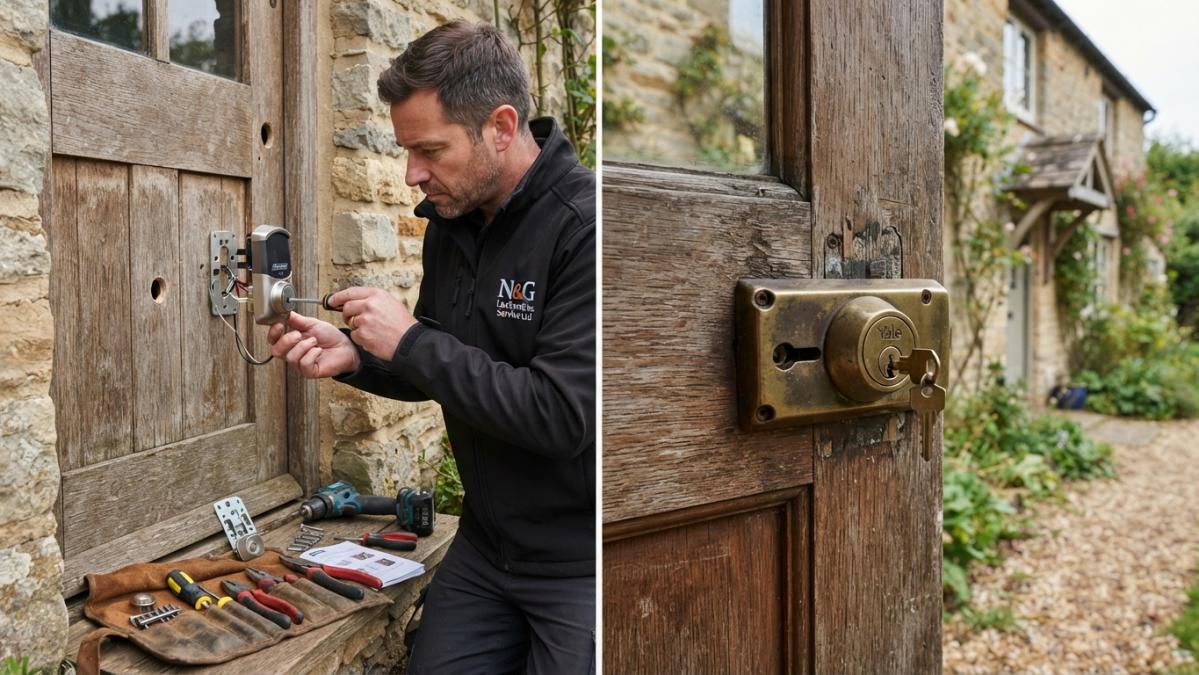
Maintenance differs significantly. Traditional locks need occasional lubrication; a light oil applied to the cylinder keeps the mechanism moving smoothly. That's it. They require no updates, no app management, no battery monitoring.
Smart locks demand more attention. You must replace batteries regularly, keep the app updated, and monitor connectivity. If the lock loses Wi-Fi connection, you must troubleshoot the wireless network. Firmware updates occasionally require manual intervention.
For rural homeowners without technical confidence, traditional locks are lower-maintenance. For those comfortable with technology, smart locks offer convenience that justifies the extra attention.
N&G Locksmiths Service Ltd can install either type and provides 12-month guarantees on all work. If you're unsure whether your door frame suits a smart lock or prefer professional installation, our certified technicians can assess your property and fit the lock correctly.
Signs Your Door Locks Need Replacing
A failing lock creates security gaps and convenience problems. Recognising warning signs helps you replace locks before they fail completely.
Sticking or grinding when turning the key suggests internal wear. Pins or cylinders are misaligned, and the lock may jam unexpectedly. This is a safety concern and a sign replacement is overdue.
Keys that require excessive force indicate wear inside the cylinder. The internal components no longer align smoothly, and forcing the key risks breaking it inside the lock.
Visible rust or corrosion on the lock body or bolt suggests moisture damage. Rust weakens the metal and reduces security. This is especially common in rural areas with high humidity or coastal properties.
Loose bolts or rattling when the door closes mean the lock is separating from the door frame. This compromises security and may require new bolts or a full lock replacement.
The bolt does not fully retract or extend indicates mechanical failure. The lock cannot function properly and poses a security risk.
Keys turning freely without locking suggest the internal mechanism has failed. The lock no longer engages, and the door is unsecured.
If you notice any of these signs, contact a locksmith immediately. Delaying replacement leaves your rural property vulnerable. In Thetford and the surrounding region, N&G Locksmiths Service Ltd offers same-day lock replacement with no call-out fee and a 30-minute response time guarantee.
Choosing the Right Lock for Your Rural Home
Selecting between smart deadbolts and traditional locks depends on five factors specific to rural living.
Internet connectivity: If your property has reliable broadband, a Wi-Fi smart lock is practical. If connectivity is spotty or absent, choose a traditional lock or an offline keypad smart lock.
Budget: Traditional locks cost significantly less upfront. Smart deadbolts require a higher initial investment and ongoing battery costs. Calculate the total cost of ownership over five years, including battery replacements and maintenance.
Technical comfort: Are you confident installing and troubleshooting smart home devices? If yes, a smart lock adds convenience. If technology frustrates you, stick with a traditional lock.
Emergency access needs: Do you need to grant access to contractors, family members, or service providers remotely? Smart locks excel here. If you manage access through in-person key handoffs, a traditional lock is sufficient.
Security priorities: Both lock types meet UK standards when properly installed. Smart locks offer access logging and remote monitoring. Traditional locks offer mechanical simplicity and no battery dependencies. Neither is inherently more secure; security depends on your specific situation.
For rural homeowners in Norfolk, Suffolk, and Cambridgeshire, the decision often favours a hybrid approach: a traditional lock on the main entry door for reliability, and a smart lock on secondary doors or garage entrances where remote access adds genuine value.
N&G Locksmiths Service Ltd recommends scheduling a security assessment before deciding. Our certified technicians evaluate your property, discuss your security goals, and recommend the lock type that best fits your rural location and lifestyle. We install both smart and traditional locks and stand behind every installation with a 12-month guarantee.
Upgrading your door locks is one of the most effective ways to improve rural home security. Whether you choose the convenience of a smart deadbolt or the reliability of a traditional lock, professional installation ensures the lock functions correctly and meets UK compliance standards. N&G Locksmiths Service Ltd provides expert guidance, quality installation, and 24/7 emergency support across Thetford and the surrounding region. Call now for a free security assessment and discover which lock type is right for your home.
Frequently Asked Questions
Are smart deadbolts reliable in rural areas with poor internet?
Smart deadbolts with Wi-Fi connectivity depend on a stable internet connection, which can be unreliable in remote rural areas. However, many modern smart locks work via Bluetooth or keypad codes without needing Wi-Fi, making them viable for rural homes. Battery-powered models offer a fallback if your internet drops. Traditional locks have no connectivity requirements and function regardless of signal strength, making them the most reliable choice in areas with persistent connectivity issues.
What happens if a smart lock battery runs out?
Most smart locks with low battery send alerts to your phone before the battery dies completely. When fully depleted, you typically cannot unlock the door remotely, but most models retain a physical keypad or emergency access method. Battery life varies widely depending on the model and usage frequency, ranging from several months to over a year. Rural homeowners should check battery levels regularly and keep spare batteries on hand. Traditional locks have no battery and never face this issue.
Can a smart lock work without Wi-Fi?
Yes, many smart locks without Wi-Fi use Bluetooth or keypad entry instead. Bluetooth-enabled smart locks allow you to unlock via your phone when nearby, while keypad models require you to enter a code. These options work independently of your internet connection, making them suitable for rural homes with weak or unreliable broadband. However, you lose remote access features like unlocking from a distance. Research your specific model's connectivity options before purchasing to ensure it meets your needs.
What are the main security differences between smart deadbolts and traditional locks?
Traditional locks offer proven mechanical security and have no digital vulnerabilities, but they can be picked or forced. Smart deadbolts add features like activity logs and remote access control, but they depend on software security and battery power. Both types meet UK door lock standards when installed correctly. The choice depends on your priorities: traditional locks suit those who prefer simplicity and mechanical reliability, while smart locks appeal to those wanting remote monitoring and keyless access. For rural homes, ensure whichever you choose is installed by a certified professional.
Are smart locks suitable for all rural property types?
Smart locks work best on doors that can support their weight and electrical components, typically modern wooden or composite doors. Listed buildings or period properties may have restrictions on modifications. Rural homes with unreliable power or internet should prioritise Bluetooth or keypad-only models over Wi-Fi versions. Consider your property's age, door type, and infrastructure before choosing. A certified locksmith can assess your specific property and recommend the most suitable option for your rural home's needs.