 ultimate-guide
How to Upgrade Home Security: A Complete 2026 Guide
Table of Contents
- Why Upgrading Home Security Matters
- Best Alternatives to Standard House Keys for Security
- TS007 3-Star Cylinder Lock Benefits
- Reinforcing Entry Points and Perimeter Security
- Adding CCTV and Video Doorbell Upgrades
- Smart Home Integration and Motion-Activated Lighting
- Home Security Insurance Compliance and Premium Impact
- Professional Installation vs. DIY Security Upgrades
- Frequently Asked Questions
Last Updated: August 30, 2026
Why Upgrading Home Security Matters
Home security is essential. The difference between a secure property and a vulnerable one comes down to deliberate steps to strengthen defences. Most homeowners act only after an incident; the smart approach is to assess your current setup, identify weak points, and address them systematically.
Your home's security depends on multiple layers working together. A single strong lock won't protect you if your door frame is weak or windows are easy to break. At N&G Locksmiths Service Ltd, we've helped homeowners transform their properties from vulnerable to secure through targeted improvements that don't require a complete overhaul.
A break-in means stolen goods, violated privacy, emotional trauma, and lost sense of safety. Insurance companies recognise this, which is why many offer premium reductions for homes with certified security measures. Understanding how to upgrade home security effectively means knowing which improvements deliver the most protection for your investment.
Best Alternatives to Standard House Keys for Security
Standard keys are convenient but inherently insecure. They can be copied, lost, or stolen without your knowledge. Modern alternatives eliminate these vulnerabilities while adding convenience and control.
Smart Locks and Keyless Entry Systems
Smart locks remove the physical key entirely, replacing it with digital authentication via code, smartphone app, or biometric scan. This means no lost keys, no unauthorised copies, and the ability to grant temporary access to visitors or service providers without handing over a physical key.
Installation varies. Some smart locks retrofit onto existing doors with minimal modification, while others require professional installation to ensure proper alignment and security. Battery life is typically 6-12 months, with low-battery alerts sent to your phone. Some models include backup mechanical keys for emergencies.
Biometric Access Control
Biometric systems authenticate you using fingerprints, facial recognition, or iris scanning. These are the most secure keyless alternatives because they cannot be lost, stolen, or forged. Your biometric data is unique and permanent.
Residential biometric locks are becoming more affordable and reliable. Fingerprint readers are the most common, offering fast recognition and high accuracy. Even if someone gains physical access to your door, they cannot unlock it without your biometric data, making biometric systems ideal for high-security applications.
TS007 3-Star Cylinder Lock Benefits
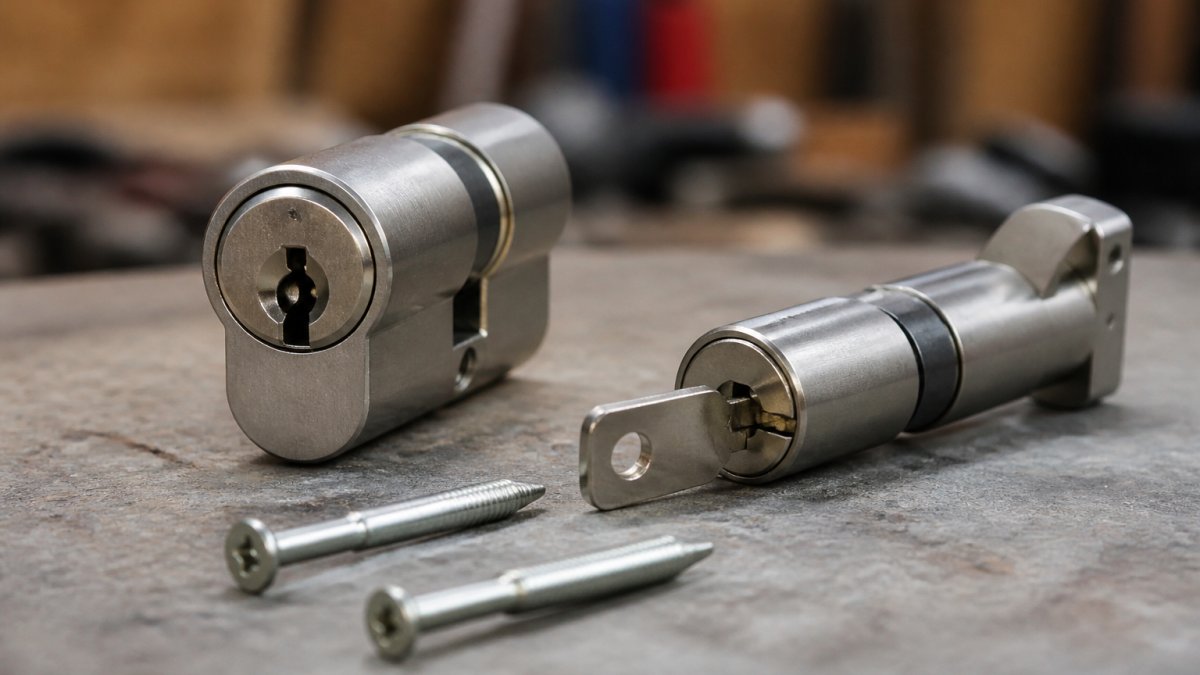
The TS007 3-star rating is a UK security standard that specifies cylinder lock performance against picking, drilling, and bumping, the three most common attack techniques used by burglars. This is independently verified specification, not marketing language.
Upgrading to TS007 3-star cylinders is one of the most cost-effective security improvements available. The cylinders are affordable, and installation is straightforward for a qualified locksmith. A 3-star cylinder has hardened steel components that resist drilling, forcing attackers to abandon the attempt and move on to easier targets.
Picking resistance matters too. 3-star cylinders have tighter tolerances and additional security pins that resist picking attacks. Combined with proper installation in a quality door frame, a 3-star cylinder provides genuine protection. Bump-key resistance rounds out the standard, preventing this attack vector entirely.
Reinforcing Entry Points and Perimeter Security
Entry points are your security foundation. A sophisticated smart home system is worthless if burglars can kick in your front door in seconds. Reinforcing doors, windows, and frames creates a physical barrier that stops casual break-ins and slows determined attacks.
Upgrading Door Frames and Strike Plates
Most residential doors fail at the frame, not the lock. A standard door frame is held by short screws that penetrate only the frame itself, not the structural studs behind it. A hard kick can separate the frame from the wall, breaking the lock's hold instantly.
Reinforcing the frame means replacing short screws with longer ones (75-100mm) that penetrate the structural studs. This distributes impact force across the building structure rather than concentrating it on the lock. Strike plates are equally important, upgrade to a reinforced plate with longer fasteners (at least 65mm) that reach the structural studs.
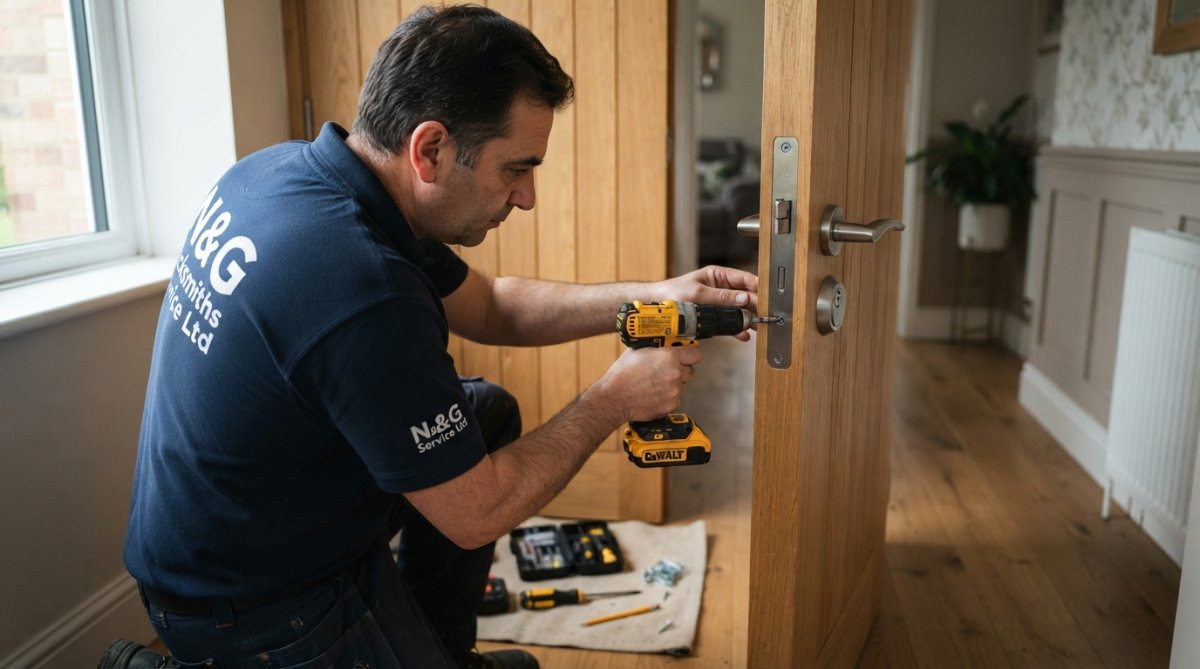
Door frame reinforcement kits add metal plates across the frame, distributing impact force further. These are particularly valuable for doors that face the street or are otherwise exposed to casual attack attempts.
Installing Impact-Resistant Glass and Security Doors
Windows are often overlooked in home security planning. Standard glass breaks easily under impact. Impact-resistant glass is laminated with a plastic interlayer that holds shards together even when broken, making the glass extremely difficult to break through.
Security doors are metal or reinforced composite doors that replace standard wooden doors. They're heavier, stronger, and resistant to forced entry. For windows, you can also install security bars or grilles that prevent access even if the glass breaks, or apply laminated window film that holds shards together and prevents entry.
Adding CCTV and Video Doorbell Upgrades
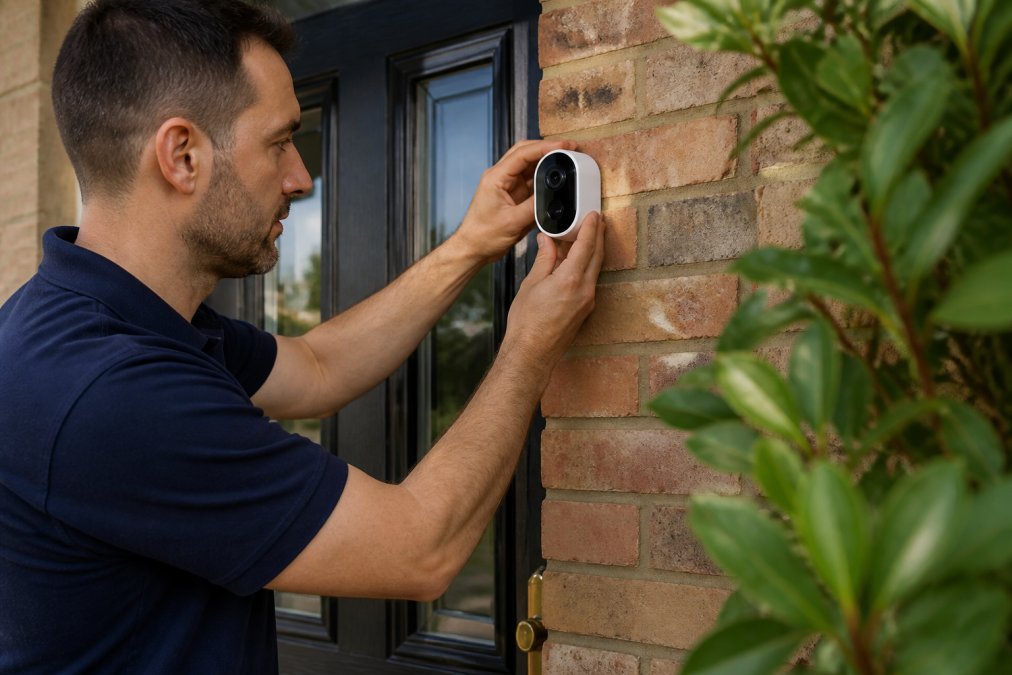
CCTV systems provide deterrence, evidence, and real-time monitoring. Visible cameras discourage most casual break-in attempts because they signal that the property is protected and activity is recorded. If a break-in does occur, footage provides evidence for police investigation and insurance claims.
Video doorbells are the entry point for most homeowners. They record everyone approaching your door, allow you to see who's there before opening, and integrate with smartphone apps for remote viewing. Full CCTV systems include multiple cameras covering different areas of your property, feeding to a central recorder that stores footage locally or in the cloud.
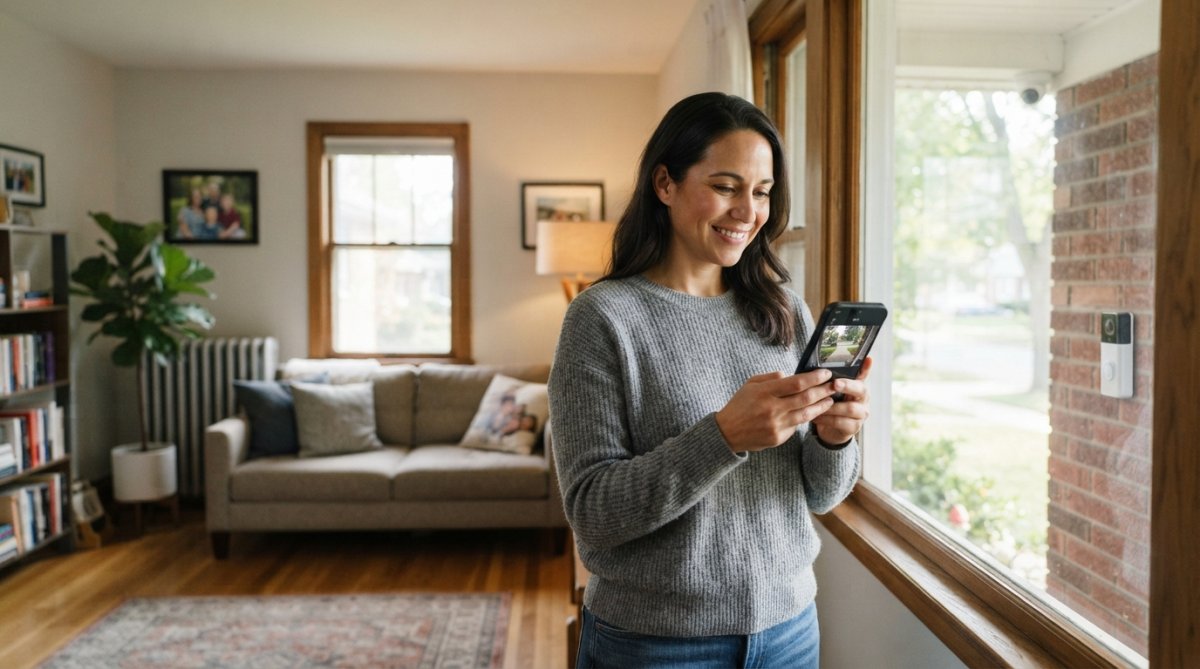
Resolution matters. Modern cameras record in 2K or 4K, providing clear images that identify faces and details. Night vision capability is essential, most break-ins occur after dark. Infrared cameras illuminate the scene with invisible light, providing clear footage in complete darkness. Colour night vision uses minimal visible light to maintain colour information at night.
Cloud storage is convenient with automatic backup and remote access. Local storage is more private and doesn't depend on internet connectivity. Many systems offer both options. Integration with smart home systems allows CCTV to trigger lights when motion is detected, send alerts to your phone, and integrate with smart locks.
Smart Home Integration and Motion-Activated Lighting
Smart home integration ties security components together, creating a system more intelligent and responsive than individual devices. Motion-activated lighting is the simplest example, lights that turn on automatically when movement is detected, deterring intruders and improving visibility.
Motion sensors can trigger multiple actions simultaneously. A person approaching your door at night triggers the porch light, records video from the doorbell camera, and sends an alert to your phone. Automation routines create security scenarios: when you arm your security system, all lights turn off, doors lock, and cameras begin recording.
Wireless sensors monitor doors and windows, sending alerts if they're opened. Battery life is typically 2-3 years, with low-battery alerts before they fail. Smart hubs connect all devices, allowing them to communicate and respond to each other. Firmware updates are critical, devices that receive regular updates stay secure; those that don't become increasingly vulnerable.
Home Security Insurance Compliance and Premium Impact
Insurance companies have specific requirements for home security. Meeting these requirements often qualifies you for premium reductions that offset the cost of upgrades. Most insurers require basic measures: working locks on all entry doors, window locks, and security measures on ground-floor windows.
Accredited security systems meeting British Standard BS 8787 or similar standards qualify for larger discounts. These systems include professional monitoring, meaning an alarm centre responds to alerts and contacts emergency services if needed. A system might reduce your annual insurance premium, potentially paying for itself over time.
Professional monitoring adds value beyond insurance discounts. When your alarm triggers, the monitoring centre verifies the alert and contacts police immediately. Wireless systems are increasingly accepted by insurers because they provide the same security as wired systems without requiring structural modifications. Keep records of all security upgrades, certifications, and maintenance to support insurance claims.
Professional Installation vs. DIY Security Upgrades
The decision between professional installation and DIY depends on complexity, your technical skill, and the security criticality of the component. Simple upgrades like strike plate reinforcement, window locks, and motion sensor installation are practical DIY projects.
Smart lock installation is more nuanced. Some models install easily; others require drilling and structural modification. If your smart lock requires structural work, professional installation ensures proper alignment and security. CCTV system installation is best handled professionally, proper camera placement requires understanding sight lines, lighting conditions, and coverage patterns.
Door reinforcement and frame strengthening require structural knowledge. Professional locksmiths understand door frame construction and how to reinforce it properly. At N&G Locksmiths Service Ltd, we offer professional installation for all security upgrades. Our certified technicians assess your specific situation, recommend appropriate improvements, and install them correctly. We stand behind our work with a 12-month guarantee.
Upgrading your home security doesn't require choosing between expensive comprehensive systems and doing nothing. A strategic approach, starting with entry point reinforcement, adding keyless access, and integrating smart monitoring, creates genuine protection that deters most casual break-ins and slows determined attacks long enough for help to arrive.
The specific upgrades that matter most depend on your property, risk profile, and insurance requirements. Professional assessment identifies your vulnerabilities and recommends targeted improvements. N&G Locksmiths Service Ltd provides this assessment and professional installation across Norfolk, Suffolk, and Cambridgeshire, with 24/7 availability and a 12-month guarantee on all work. Call now for a security evaluation and quote, no call-out fee, and we'll respond within 30 minutes.
| Upgrade Type | Difficulty | Cost Effectiveness | Best For |
|---|---|---|---|
| Strike plate reinforcement | Very easy | High | All properties |
| TS007 3-star cylinders | Easy | High | Existing doors |
| Smart locks | Moderate | High | Modern doors |
| Motion-activated lighting | Easy | High | Perimeter security |
| Video doorbells | Easy | High | Entry monitoring |
| CCTV systems | Hard | High | Comprehensive coverage |
| Door frame reinforcement | Hard | High | Weak frames |
| Impact-resistant glass | Hard | Moderate | Ground-floor windows |
British Standard BS 8787 on security systems specifies requirements for accredited security installations that qualify for insurance discounts.
Association of British Insurers guidance on home security outlines the security measures most insurers require and the premium reductions available for certified systems.
National Police Chiefs' Council advice on home security provides official guidance on effective security measures based on crime prevention research.
Frequently Asked Questions
What's the most cost-effective way to upgrade home security without spending thousands?
Start with high-impact, low-cost improvements: upgrade to TS007 3-star cylinder locks, install deadbolt reinforcements with longer strike plate screws, add motion-activated lighting around entry points, and fit door frame reinforcements. These foundational upgrades deter most opportunistic burglars and cost significantly less than full smart home systems. Professional installation ensures these are fitted correctly and may reduce insurance premiums.
Do I need professional installation to upgrade home security, or can I do it myself?
Simple upgrades like motion sensors and lighting can be DIY, but critical components like deadbolts, strike plates, and control panel integration benefit from professional installation. Certified locksmiths ensure locks are fitted to security standards, tamper-proof installation, and proper system compatibility. Many insurers require professional installation for certain upgrades to validate coverage.
How do smart locks and keyless entry improve security compared to standard keys?
Smart locks offer two-factor authentication, remote monitoring, and real-time alerts when doors are accessed. Unlike standard keys, they leave no physical trace, can be deactivated instantly if compromised, and provide audit trails of all entries. Biometric systems add an additional security layer. However, they require reliable connectivity and regular firmware updates to maintain security.
Will upgrading my home security reduce my insurance premiums?
Yes, many insurers offer premium reductions for homes meeting specific security standards. Installing TS007 3-star cylinder locks, professional monitoring systems, CCTV, and alarm systems can lower premiums, depending on your insurer and policy. Check your home security insurance compliance requirements with your provider before upgrading to ensure improvements qualify for discounts.
What should I look for in a CCTV or video doorbell system for home security upgrades?
Prioritise systems with high-resolution recording, night vision, two-way audio, and cloud storage. Ensure they integrate with your existing smart home hub for centralised control. Look for encryption standards and privacy-focused features that don't send data to third parties. Professional installation ensures optimal camera placement for perimeter security and proper system connectivity.
How often should I update or upgrade my home security system?
Review your security annually or after a break-in attempt. Upgrade firmware on smart devices monthly. Replace standard locks every 7-10 years or after moving house. Assess new threats and technology advances every 2-3 years. Professional locksmiths can perform vulnerability assessments to identify where your system needs strengthening.
This article was written using GrandRanker