 ultimate-guide
Emergency Locksmith Response Time Expectations
Table of Contents
- What Is a Realistic Emergency Locksmith Response Time?
- Locksmith Arrival Time Factors That Affect How Fast Help Reaches You
- Non-Destructive Entry Methods and Why They Matter for Speed
- Emergency Locksmith Call-Out Fees: What You Should Expect to Pay
- How to Verify a Legitimate Locksmith Before They Arrive
- What to Do While Waiting for Emergency Locksmith Response
- Frequently Asked Questions
Last Updated: August 26, 2026
What Is a Realistic Emergency Locksmith Response Time?
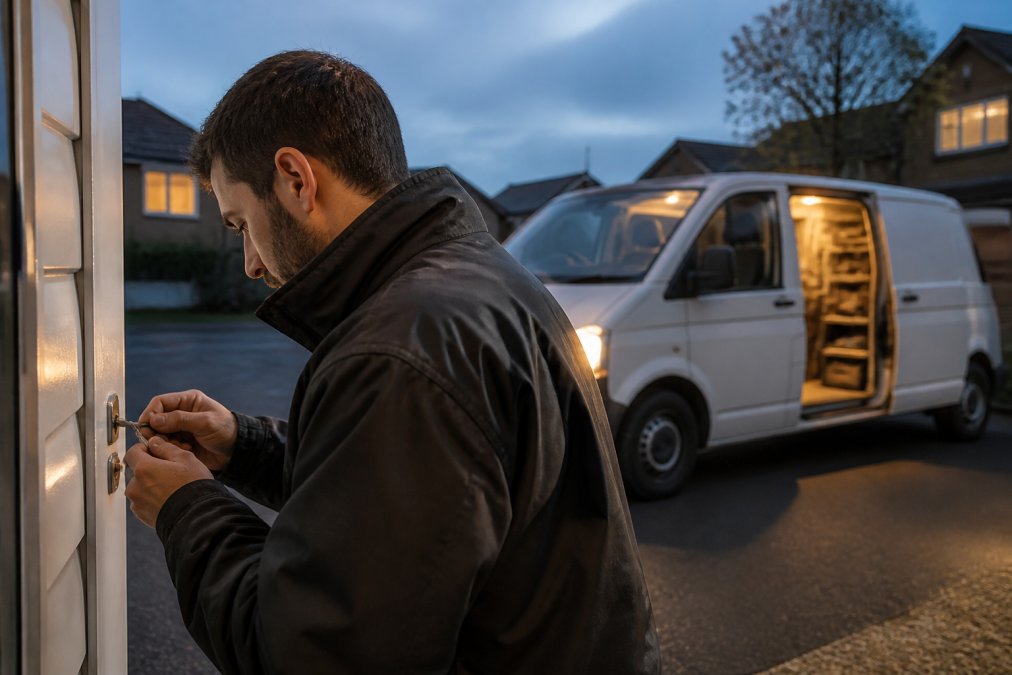
Emergency locksmith response time expectations vary more than most people realise, and understanding what's realistic can make a stressful situation considerably easier to manage. A genuine emergency locksmith response should see a technician on-site within 30 minutes in most urban and suburban areas, though rural locations and peak demand periods can extend that window. At N&G Locksmiths Service Ltd, our target is a 30-minute arrival time for emergency callouts across our service area, with 24/7 availability every day of the year.
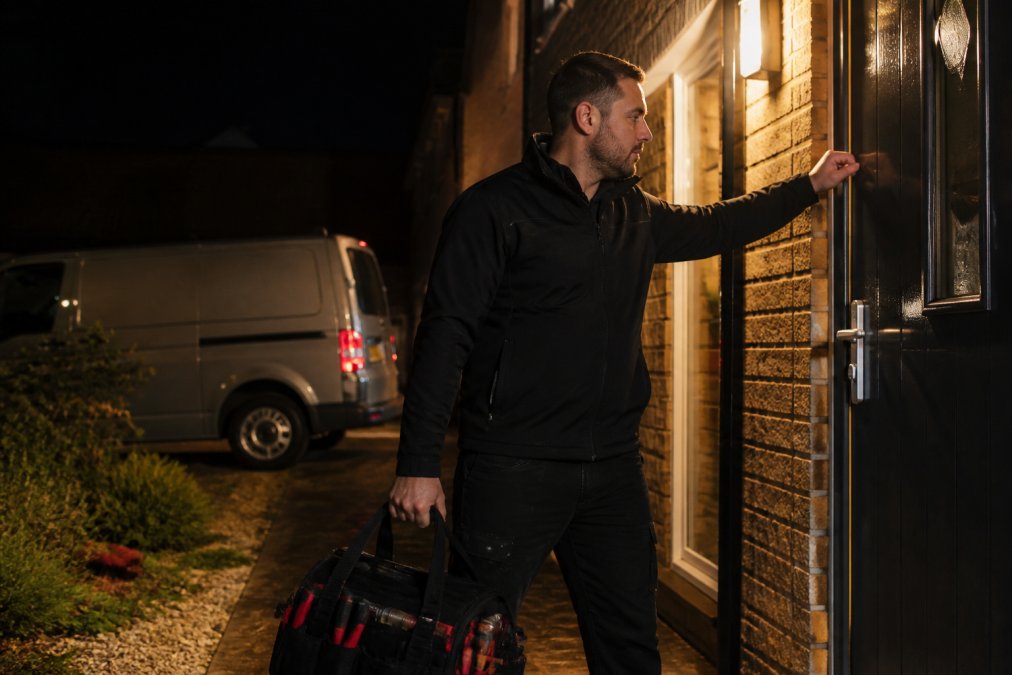
The honest answer is that "30 minutes" is a commitment, not a guarantee. Traffic, weather, and dispatch logistics all play a role. What separates a reliable locksmith from an unreliable one is not whether they quote 30 minutes, but whether they communicate proactively when that window shifts.
Emergency locksmith response is defined as a rapid, on-site assistance service dispatched immediately following a lockout or security breach, with the technician carrying the tools and lock hardware needed to resolve the situation in a single visit. This is distinct from a scheduled service call, where parts can be ordered in advance and timing is flexible.
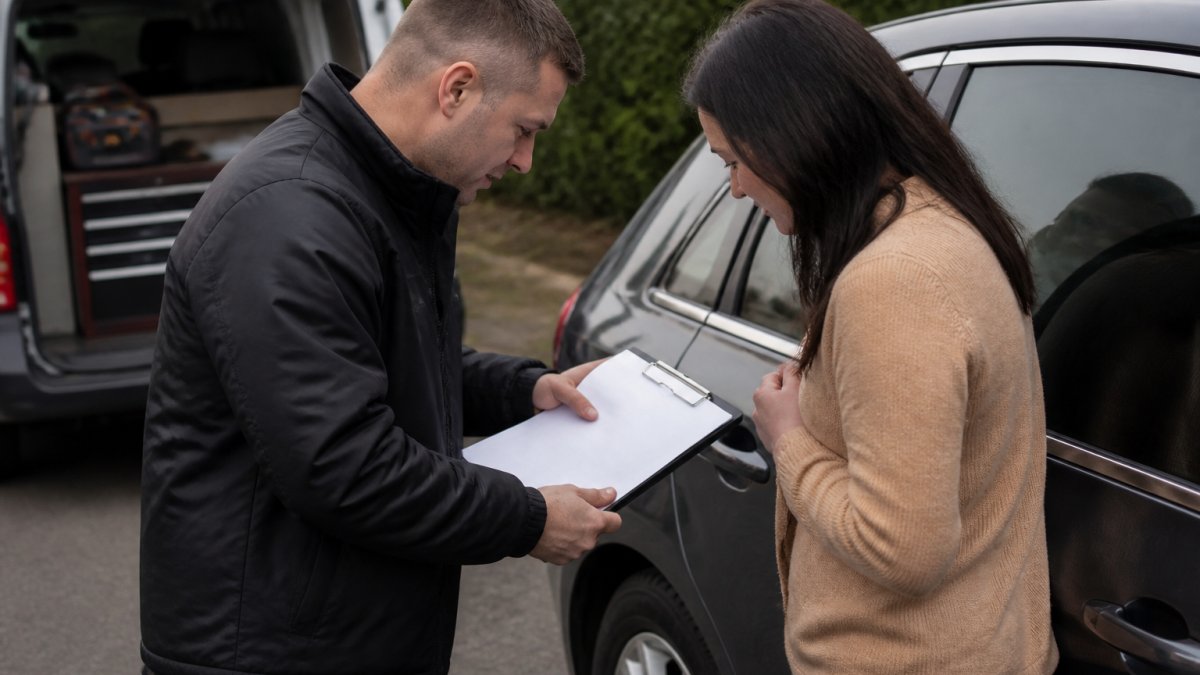
For residential lockouts, most professional locksmiths aim for arrival within 30 to 60 minutes. For commercial security emergencies, where business continuity is at stake, a faster response is often prioritised. Automotive lockouts follow similar timelines, though the technician's equipment requirements differ significantly from residential work.
Locksmith Arrival Time Factors That Affect How Fast Help Reaches You
The gap between "we're on our way" and the technician actually knocking on your door is shaped by several variables that have nothing to do with competence. Understanding them helps you set accurate expectations and make smarter decisions when you call.
Here are the primary factors affecting arrival time:
- Geographic radius from the nearest mobile unit, A locksmith dispatched from a depot 15 miles away will take longer than one who operates locally within a 5-mile radius.
- Current traffic congestion, Rush hour on arterial roads can double travel time. A 20-minute drive at 11 pm becomes a 40-minute drive at 5:30 pm.
- Number of active callouts, If all on-call technicians are already on site at other jobs, dispatch time increases regardless of proximity.
- Type of lock hardware involved, Straightforward Yale cylinders require standard tools. High-security multi-point locking systems or damaged mechanisms may require a technician carrying specialist equipment, which affects which operative gets dispatched.
- Weather conditions, Ice, flooding, and reduced visibility slow travel across all routes, particularly on rural A-roads and unlit country lanes.
- Accuracy of the address provided, Incorrect postcodes or vague location descriptions delay arrival. Being precise when you call saves real time.
Urban Areas vs Rural Locations
Urban density works in your favour during a lockout. A higher concentration of mobile units means shorter geographic radius between any given callout and the nearest available technician. In a town centre or suburban area, a 20 to 30-minute arrival is achievable under normal conditions.
Rural locations present a fundamentally different picture. Longer distances, fewer alternative routes, and a lower density of on-call operatives all push arrival times out. A rural property 12 miles from the nearest market town might realistically wait 45 to 75 minutes, even with a professional service operating efficiently. This is not a failure of service, it is geography.
If you live in a rural area, it is worth identifying a local locksmith before an emergency arises. Knowing who covers your postcode, and having their number saved, removes a critical delay when you are locked out at midnight.
Time of Day, Peak Hours, and Seasonal Demand
Off-hours callouts, late evenings, early mornings, and weekends, often result in faster arrival times than peak hours. Counterintuitively, a 2 am lockout may see a quicker response than a 5:30 pm one, simply because traffic congestion is minimal and fewer competing callouts are active.
Seasonal variance is real and underappreciated. Winter months bring two compounding pressures: more lockouts caused by frozen mechanisms, and slower travel times due to ice and reduced visibility. According to the Met Office's guidance on winter driving conditions, severe winter weather significantly increases road journey times across the UK, which directly affects any time-sensitive service dispatch. Spring and autumn bank holiday weekends also generate higher-than-average callout volumes.
The practical implication: if you are calling during a known high-demand period, ask the dispatcher whether any delays are expected. A professional service will tell you honestly.
Non-Destructive Entry Methods and Why They Matter for Speed
Most people assume a locksmith will drill the lock. A skilled technician should not need to, and the distinction matters both for speed and for cost.
Non-destructive entry is the practice of gaining access to a property or vehicle without damaging the existing lock hardware, using techniques such as lock picking, bump-resistant manipulation, or specialised decoding tools. When non-destructive entry is successful, the lock remains intact and functional, meaning no replacement parts are needed and the job is completed faster.
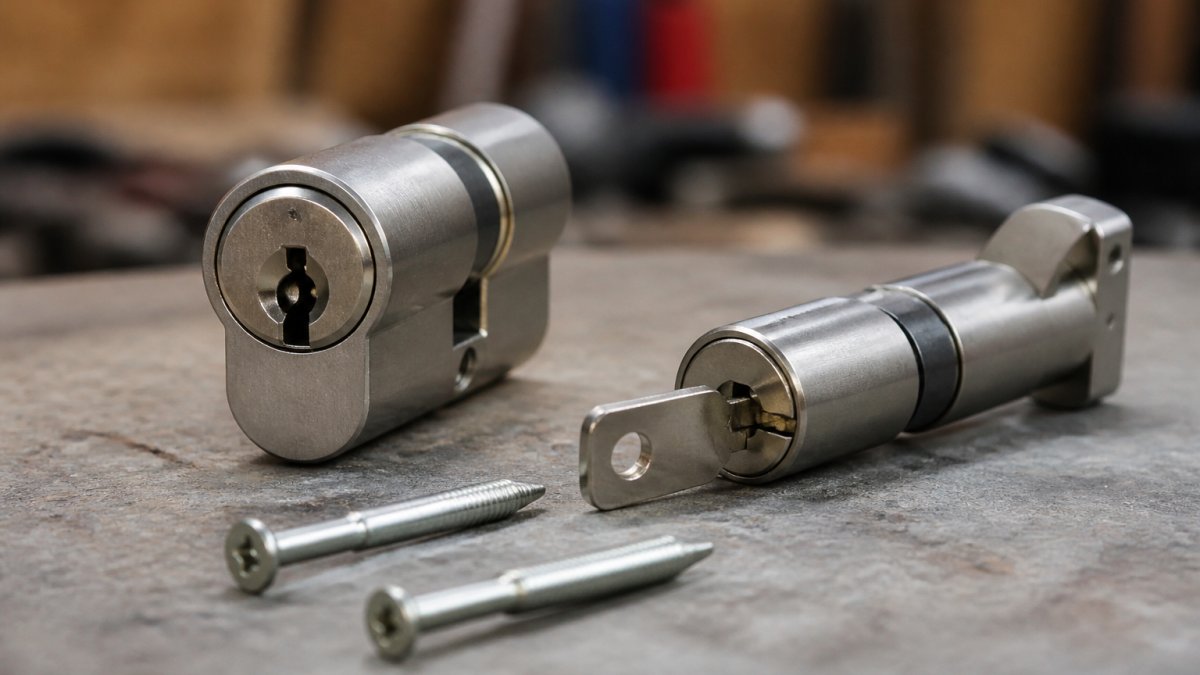
The alternative, destructive entry, involves drilling out the lock cylinder. This is sometimes necessary when a lock is damaged beyond manipulation or when a high-security mechanism resists non-destructive techniques. The consequence is that a replacement cylinder must be fitted before the job is complete, which adds time and parts cost to the callout.
Why does this matter for response time? A technician who can resolve the entry non-destructively finishes the job in 15 to 30 minutes on average. A job requiring a lock replacement adds time for fitting and, depending on stock carried in the mobile unit, may require a return visit for specialist cylinders.
According to the Master Locksmiths Association's guidance on entry methods, professional locksmiths should always attempt non-destructive entry before resorting to drilling, and should explain their approach to the customer before proceeding. This is the standard you should expect.
Emergency Locksmith Call-Out Fees: What You Should Expect to Pay
Call-out fees are one of the most misunderstood aspects of emergency locksmith services, and they are frequently used as a source of confusion by less reputable operators.
A call-out fee is a fixed charge applied to cover the cost of dispatching a technician to your location, separate from the labour and parts costs of the actual work. Some services charge this fee; others, including N&G Locksmiths Service Ltd, do not. The absence of a call-out fee does not mean the overall job is cheaper, but it does mean the pricing structure is more transparent from the outset.
What you should expect when calling any emergency locksmith service:
- Upfront pricing before work begins, A reputable technician will quote the full expected cost before touching the lock. If a locksmith refuses to give a price until after the job is done, that is a serious warning sign.
- Pricing that reflects time of day, Off-hours and weekend callouts typically carry a higher labour rate than standard daytime work. This is normal and should be disclosed when you call.
- Separate charges for parts, Lock cylinders, keys, and replacement mechanisms are usually charged separately from labour. Ask specifically whether the quote includes parts.
For current pricing on emergency callouts and lock replacement, visit the N&G Locksmiths Service Ltd pricing page directly. Pricing depends on the type of work, lock hardware required, and time of callout, so a specific quote at the point of enquiry is always more accurate than a generic figure.
How to Verify a Legitimate Locksmith Before They Arrive
The time between placing a call and the technician arriving is exactly when you should be verifying their credentials. This is not paranoia, it is basic security sense, and a professional locksmith will expect it.
Here is a practical checklist for verification:
- Check for Master Locksmiths Association (MLA) membership, The MLA is the UK's leading trade body for locksmiths. Members are vetted, insured, and bound by a code of conduct. You can verify membership directly on the MLA website.
- Ask for a company name and vehicle registration, A legitimate operator will give you both without hesitation. Cross-reference the company name with Companies House or a quick online search before they arrive.
- Confirm insurance, Ask whether the technician is fully insured for accidental damage. A reputable service will confirm this immediately.
- Ask for identification on arrival, Before allowing anyone access to your property, ask to see photo ID and confirm it matches the company details you were given over the phone.
- Request a written quote before work starts, This protects you legally and establishes the agreed price in writing.
For residential lockouts, proof of ownership or residency is a reasonable request from the locksmith's side as well. A legitimate technician may ask you to show a utility bill, driving licence, or other document confirming you are entitled to access the property. This is a security clearance step that protects both parties.
The Trading Standards guidance on finding reputable tradespeople recommends checking for trade body membership and reading verified reviews before engaging any tradesperson for urgent work.
What to Do While Waiting for Emergency Locksmith Response
Waiting for emergency locksmith response is uncomfortable, but the time is not wasted if you use it well. The decisions you make in the 20 to 30 minutes before the technician arrives can affect both your safety and the speed of the job.
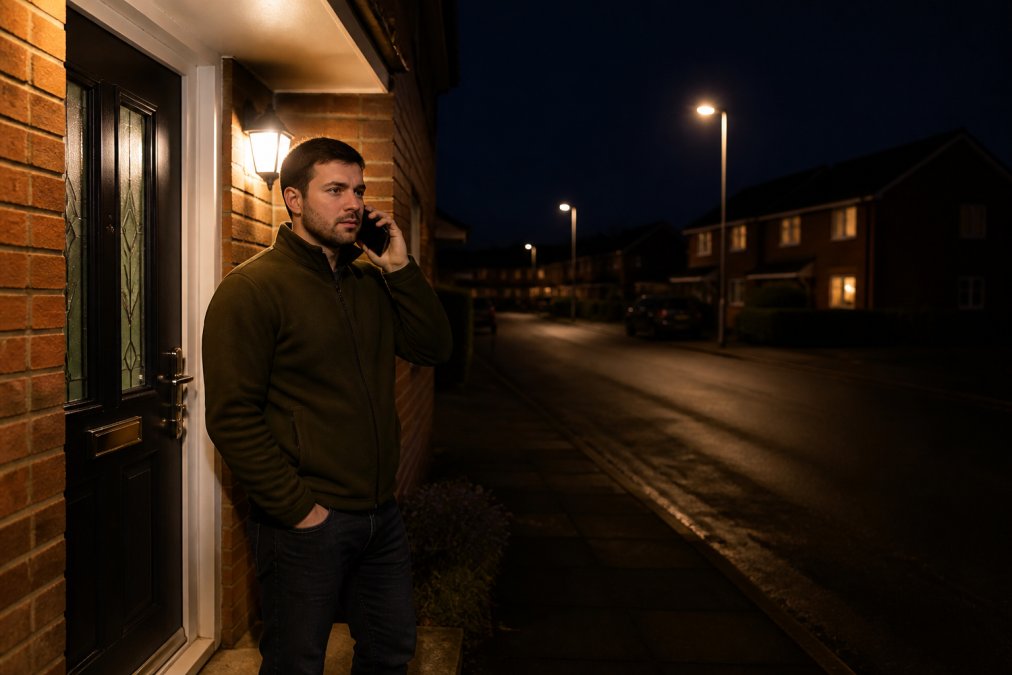
Stay in a well-lit, visible location. If you are locked out of your home at night, remain near the property but in a position where you can be seen from the street. Avoid standing in unlit alleyways or secluded areas. If you are locked out of your vehicle, stay near the car in a well-lit area and keep your phone charged.
Do not attempt to force entry yourself. Forcing a lock or window without the right tools almost always causes damage that complicates the locksmith's job and increases the final cost. More importantly, it can trigger alarm systems or attract unwanted attention.
Gather the information the technician will need when they arrive. This speeds up the service call considerably.
Safety Protocols and Documentation to Have Ready
Safety during a lockout is straightforward but worth stating clearly. If you feel unsafe in your waiting location, move to a nearby public space, a neighbour's property, or your vehicle if accessible. Call the emergency locksmith service back and update them on your new location so the technician can find you.
Documentation to have ready when the technician arrives:
| Document | Why It's Needed | Where to Find It |
|---|---|---|
| Photo ID (driving licence or passport) | Confirms your identity | Wallet, bag, or vehicle glovebox |
| Proof of address (utility bill, bank statement) | Confirms right of access to the property | Recent post, email on phone |
| Vehicle registration document (V5C) | Confirms vehicle ownership for automotive lockouts | Ideally stored separately from the car |
| Lease or mortgage document | Alternative proof of residency | Email or cloud storage on phone |
Having at least one of these ready before the technician arrives removes a potential delay and demonstrates to the locksmith that the callout is legitimate. For automotive lockouts, the V5C is the most useful document, though a driving licence showing your name alongside the vehicle's registration is usually sufficient.
One thing most guides overlook: if you have a 12-month guarantee on previous locksmith work at the property, locate that documentation too. If the current lockout is related to a recently fitted lock, the guarantee may cover the callout at no additional charge.
Lockouts happen at the worst possible times, and the anxiety of waiting for help is real. The best way to manage it is to call a service you can trust, know what to expect, and use the waiting time productively. N&G Locksmiths Service Ltd offers 24/7 emergency response with no call-out fee, a 30-minute target arrival time, and a 12-month guarantee on all work. Our certified professionals carry the tools and hardware to resolve most lockouts in a single visit. Call now and get an honest estimated time of arrival the moment you make contact.
Frequently Asked Questions
How long do emergency locksmiths typically take to arrive?
Most professional emergency locksmiths aim to reach you within 30 to 60 minutes of your call, though this varies by location. In towns and cities with good road access, a 30-minute arrival is realistic. Rural areas, peak traffic periods, and late-night call-outs can extend that window. When you call, ask for an estimated time of arrival and confirm the technician is already dispatched from a nearby mobile unit rather than a distant base.
Does an emergency locksmith always have to break the lock to get in?
No. A qualified locksmith will always attempt non-destructive entry first, using specialist picking tools or bypass techniques suited to your lock hardware. Drilling is only used as a last resort when the lock mechanism is damaged beyond manipulation or when the security rating makes picking impractical. Reputable professionals carry a range of tools specifically to avoid unnecessary damage to your door or frame, which also keeps the job faster and cheaper.
How much should I expect to pay for an emergency locksmith call-out?
Costs vary depending on the time of call, the complexity of the lock, and whether key replacement or new hardware is needed. Some providers charge a separate call-out fee on top of the labour rate; others, like N&G Locksmiths Service Ltd, operate with no call-out fee, meaning the price you are quoted covers the work itself. Always confirm the full cost before the technician starts. Visit the N&G Locksmiths Service Ltd pricing page for current rates.
What should I have ready when calling an emergency locksmith?
Have your full address ready, including any access notes such as a gate code or flat number. Be prepared to describe the lock type if you know it, whether it is a Yale, deadlock, or UPVC multipoint mechanism. Proof of residence, such as a driving licence or utility bill, is standard for residential lockouts so the technician can confirm you have the right to enter. Having this ready speeds up the service call and avoids delays on arrival.
This article was written using GrandRanker