 how-to
What to Do When Locked Out: A 2026 Guide
Table of Contents
- Stay Calm and Assess Your Situation
- Check All Entry Points Before Calling for Help
- Contact Someone You Know First
- Emergency Locksmith Response Time Expectations
- How Much Does an Emergency Locksmith Cost
- What Identification Do Locksmiths Require
- Non-Destructive Entry Methods and When They Work
- Safety Considerations When Locked Out at Night
- Prevent Future Lockouts with Smart Planning
- Frequently Asked Questions
Last Updated: September 26, 2026
Stay Calm and Assess Your Situation
When you're locked out, panic is natural but counterproductive. Most situations have straightforward solutions. Confirm you're actually locked out by checking every door and window you can safely access, sometimes a stuck door or forgotten window is accessible.
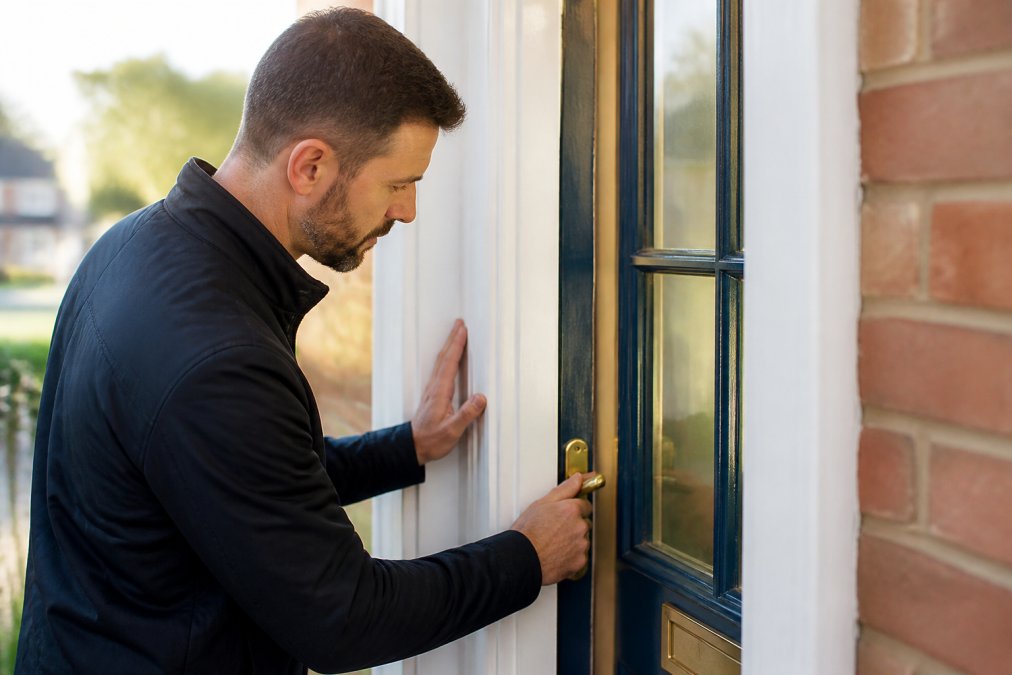
Establish what you're locked out of: home, vehicle, or rental property. Time of day, location, and property type all affect your options and response times.
Prioritize safety over cost, especially at night or in unfamiliar areas. This quick assessment shapes every decision that follows.
Check All Entry Points Before Calling for Help
Before calling a locksmith, verify you're truly locked out by systematically checking all doors and accessible windows, older sash windows or faulty latches may open.
In flats or shared buildings, check communal entry points, you may be locked out of your flat but not the building.
For vehicles, check all doors, the boot, and windows for gaps. Try a spare key if available. Note whether the lock is electronic or manual.
Document the lock type, door condition, and any damage. This helps the locksmith and protects you from unnecessary destructive entry.
Contact Someone You Know First
Your first call should be to someone with a spare key: family, partner, roommate, neighbour, or landlord. This costs nothing and solves the problem immediately.
Tenants should contact their landlord or property manager first, they may have a master key, a preferred locksmith, or cover the cost under your tenancy agreement.
For vehicle lockouts, check whether your car insurance or roadside assistance covers the service, many policies do at no extra cost.
For business lockouts, contact your facilities or building manager first, they may have access or preferred protocols that avoid emergency fees.
Contact an emergency locksmith only when these options are exhausted. A spare key or insurance coverage beats an emergency call-out charge.
Emergency Locksmith Response Time Expectations
Understanding response time expectations prevents frustration. Response times vary by location, demand, time of day, and service area.
During business hours in populated areas, expect arrival within 30-60 minutes. N&G Locksmiths Service Ltd commits to 30-minute response times across Norfolk, Suffolk, and Cambridgeshire.
Outside business hours, expect longer waits and premium rates. A 2 AM lockout takes longer than a 2 PM lockout with the same locksmith.
When calling, provide your postcode and mention safety concerns. A motorway lockout takes priority over a daytime home lockout.
Ask for an estimated arrival time. Reputable professionals give realistic estimates; 45 minutes for a 30-minute quote is normal, but two hours with no update is poor service.
How Much Does an Emergency Locksmith Cost
Locksmith pricing for emergency calls varies widely based on time of day, lock type, location, and entry method. Understanding the cost drivers and typical ranges helps you evaluate quotes fairly and identify potentially predatory pricing.
Business Hours vs. Emergency Rates
Lock Type and Entry Method
Standard deadbolts are cheaper to open than high-security or smart locks. Non-destructive entry costs less than destructive methods.
Location and Call-Out Fees
Urban lockouts cost less than rural ones due to travel time. Call-out fees may be separate or included. Always ask for a full breakdown before work begins.
Identifying Overpriced or Predatory Quotes
Red flags include: refusal to quote over the phone, quotes significantly higher than competitors, vague itemized quotes, pressure to pay cash immediately, and bait-and-switch pricing. Get at least two quotes and verify breakdowns before work begins.
Verifying Locksmith Legitimacy
Verify credentials: check MLA or BAR registration, search online reviews for patterns, request proof of public liability insurance, and ask for a landline number.
Insurance and Roadside Assistance Coverage
Check whether your home or vehicle insurance covers lockout costs. Many policies include this service with an excess. A five-minute call to your insurer can save money.
Getting a Fair Quote
Provide: lock type, whether you need non-destructive entry, your postcode, and time of day. A professional locksmith quotes a total price before starting work and explains any complications before proceeding.
What Identification Do Locksmiths Require
Locksmiths require identification to verify legitimate access. Bring photo ID (passport, driving licence) and proof of address (utility bill, tenancy agreement). For vehicles, bring driving licence and registration. For rental properties, bring your tenancy agreement. If you lack identification, contact your landlord, employer, or family member to verify your claim.
Non-Destructive Entry Methods and When They Work
A skilled locksmith uses non-destructive entry methods whenever possible. These techniques open the lock without damaging the door, frame, or lock mechanism. They're faster, cheaper, and leave your property secure afterward. The method depends on the lock type: traditional mechanical locks require different approaches than modern smart locks.
Traditional Mechanical Locks
Lock picking is the most common non-destructive method for pin-tumbler locks (the standard deadbolt on most residential doors). A locksmith uses specialized picks to manipulate the internal pins, mimicking what a key does. This works on most standard locks and takes minutes when done by a professional, though complexity varies by lock quality and security rating.
Lock bumping is another technique for certain locks. A specially cut "bump key" and a precise strike technique can open some pin-tumbler locks quickly. It doesn't work on all lock types; high-security locks and modern locks with anti-bump pins resist this method.
Shimming works on some older locks with simple latches. A thin piece of metal slides between the door and frame to manipulate the latch. This is quick but only effective on specific lock designs, typically older mortice locks or basic sliding bolts.
For mortice locks (common on period properties and commercial doors), a locksmith may use a mortice pick set or manipulate the lock cylinder. These locks are more complex than pin-tumbler deadbolts and take longer to open non-destructively.
Smart Locks and Electronic Systems
Smart locks introduce different lockout scenarios and solutions. If you're locked out of a smart lock, the approach depends on why you're locked out and what backup access methods are available.
Forgotten PIN or Code
If you've forgotten your smart lock code, the locksmith can reset it if you provide proof of ownership (tenancy agreement, mortgage statement, or ID matching the property records). Most smart locks have a master reset function accessible via the manufacturer's app or a physical reset button. The locksmith may guide you through this process over the phone, or they may need to access the lock's interior to perform a factory reset. This is non-destructive.
Dead Battery
If the smart lock's battery is dead, the lock won't respond to app commands or keypads. Many smart locks have a mechanical override, a hidden keyhole or a battery terminal where you can connect an external power source temporarily. A locksmith can identify this override and use it to unlock the door without damaging the lock. Some locks also have a backup key slot hidden under a cover. If neither option works, the locksmith may temporarily power the lock using a portable battery pack connected to the lock's terminals.
App or Connectivity Issues
If your app won't unlock the door (connectivity problem, software glitch, or account issue), the locksmith's approach depends on the lock model. Some locks allow a temporary PIN override; others require a factory reset. If the lock has a keypad, you might still unlock it with a code even if the app is down. The locksmith will troubleshoot these options before considering destructive entry.
Biometric Lock Failure
If your fingerprint or facial recognition smart lock fails to recognize you, there's usually a backup code or a mechanical key override. A locksmith can help you access these backup methods. If the lock is malfunctioning entirely (won't respond to any input), they may need to reset it or, in rare cases, replace it.
Hybrid Locks (Smart + Traditional Key)
Many smart locks retain a traditional keyhole as a backup. If you're locked out of the smart functions, you might still unlock the door with a physical key. If you don't have the key, a locksmith can open the traditional lock mechanism using standard picking or bumping techniques, bypassing the smart lock entirely.
When Non-Destructive Methods Fail
Non-destructive methods fail when:
- The lock is damaged or jammed (internal pins are broken, or the cylinder is stuck).
- The lock is extremely high-security and deliberately designed to resist picking and bumping.
- The smart lock is completely unresponsive and has no mechanical override or backup access method.
- The lock is a multi-point system with security features that prevent non-destructive opening.
In these cases, destructive entry, drilling the lock, forcing the door, or removing the lock cylinder, becomes necessary. A professional locksmith explains why non-destructive methods won't work and what destructive entry will cost before drilling.
Preventing Smart Lock Lockouts
To avoid being locked out of a smart lock:
- Maintain a backup physical key stored securely outside your home (with a trusted neighbour or in a hidden key safe).
- Keep your phone charged and your app updated. Test your app access monthly to ensure it works.
- Set up a backup code or PIN separate from your primary code. Store this code with a trusted person or in a secure location.
- If your lock has a mechanical override or hidden keyhole, know where it is and ensure a trusted person knows how to access it.
- For rental properties, confirm with your landlord that they have a backup access method (app access, master code, or physical key) in case you're locked out.
- Monitor your lock's battery level through the app. Most smart locks send low-battery alerts; replace batteries before they die completely.
Safety Considerations When Locked Out at Night
Being locked out at night introduces safety concerns that daytime lockouts don't present. Your priority shifts from minimizing cost to ensuring personal security. Make decisions based on safety first, expense second.
If you're locked out on the street at night, don't wander into unfamiliar areas looking for shelter. Stay where you are or move to a well-lit, populated location. Call a locksmith from a safe spot. If you're locked out near your home, wait inside a nearby shop, restaurant, or petrol station if open. Many businesses allow people to wait inside while they arrange help.
When the locksmith arrives, verify their identity before letting them work. Ask for their ID and check it against the company they claim to represent. Call the locksmith company back using the number from their website, not the number the person gives you, to confirm they sent someone. This prevents impersonation.
If you're alone and uncomfortable with a locksmith entering your home, ask them to wait while you contact a trusted friend or family member to be present. Most professional locksmiths understand this concern and will wait. If they refuse or become hostile, cancel the call and contact a different locksmith.
Trust your instincts. If something feels wrong, the locksmith's behaviour, their appearance, their methods, stop the work and ask them to leave. You can always call another locksmith. Your safety matters more than the inconvenience of a restart.
For vehicle lockouts at night, stay inside the vehicle with doors locked until the locksmith arrives. Don't open the door to strangers. Verify the locksmith's identity through the vehicle window before unlocking. If you're on a motorway or dangerous location, contact the police non-emergency line and stay in your vehicle with hazard lights on.
Prevent Future Lockouts with Smart Planning
The best lockout is the one that never happens. Simple preventative measures eliminate most lockout situations before they occur. These take minutes to implement and save hours of frustration.
Keep a spare key in a secure location outside your home, a lockable key safe hidden in your garden, with a trusted neighbour, or with a family member nearby. Don't hide keys under doormats or flower pots; these are the first places burglars check. A proper key safe bolted to a wall or buried in a secure garden location works better.
For vehicles, keep a spare key in your wallet or with a trusted person. Many drivers keep a spare in their home, which helps nothing if they're locked out away from home. A spare with you or someone nearby solves the problem immediately.
Consider a smart lock for your home. Modern smart locks open via smartphone app, code, or biometric access. They eliminate traditional key lockouts entirely. If your phone dies, you're still locked out, so maintain a backup access method, a code, a spare physical key, or a trusted person with app access.
For tenants, ask your landlord for a spare key or confirm they hold one for emergencies. Understand your tenancy agreement regarding lockouts and who pays for emergency access. Some agreements specify that tenants cover costs; others require landlords to maintain spare keys.
Label your keys clearly. A key labelled "Home" tells a finder exactly where to target. Use generic labels or a key identifier system only you understand. If you lose a key, change your locks immediately. A lost key in someone else's hands is a security risk.
Test your backup access methods regularly. If you've given a spare key to a family member, confirm they still have it. If you rely on a smart lock, test the backup methods, codes, biometric access, app access, to ensure they work when needed.
For businesses, maintain a secure key management system. Designate specific people with after-hours access. Document who holds spare keys and where they're stored. Update this system when staff leave.
Being locked out is frustrating, but it's solvable. The approach depends on your situation, contact someone with a spare key first, then explore professional help if needed. When you do call a locksmith, understand what to expect: response times vary, pricing depends on multiple factors, and professional locksmiths require identification for your protection.
At N&G Locksmiths Service Ltd, we understand the urgency of a lockout situation. Our 24/7 emergency service across Norfolk, Suffolk, and Cambridgeshire means help is available whenever you need it. With a focus on non-destructive entry methods, upfront pricing, and a 12-month guarantee on our work, we ensure you're back inside quickly and securely. When prevention fails and you're locked out, professional assistance with certified technicians and transparent service makes all the difference.
| Lockout Scenario | First Action | Second Action | Timeline |
|---|---|---|---|
| Home lockout, daytime | Check all entry points | Contact landlord or spare key holder | 15-30 minutes |
| Home lockout, night | Move to safe location | Contact locksmith with ID ready | 30-60 minutes |
| Vehicle lockout | Check all doors and windows | Contact insurance or roadside assistance | 30-90 minutes |
| Rental property | Contact landlord immediately | Provide proof of tenancy | 15-45 minutes |
| After hours (any) | Assess safety first | Call emergency locksmith | 45-120 minutes |
For more information about lockout prevention and professional locksmith services, contact the National Association for the Self Employed on security best practices. Understanding your rights as a tenant regarding lockouts is covered in Citizens Advice guidance on tenancy rights. For vehicle-specific lockout prevention, consult the RAC's guide to vehicle security.
Frequently Asked Questions
What should I do immediately when I realise I'm locked out?
First, check whether any doors, windows, or side entry points are actually unlocked, many lockout situations resolve without professional help. If everything is secured, contact someone with a spare key: a family member, housemate, or landlord. If no one is available and you need access urgently, contact an emergency locksmith. Stay in a safe location and avoid attempting to force entry yourself, which risks property damage and personal injury.
What is the average response time for an emergency locksmith?
Professional emergency locksmiths typically aim for 30-minute response times, though this varies depending on location, time of day, and current demand. Services operating 24/7 are available for lockouts outside standard hours. When calling, ask specifically about their response time guarantee. Confirm the timeframe before they arrive so you can plan accordingly, especially if you're locked out during night hours or in poor weather.
How much does an emergency locksmith cost?
Emergency locksmith costs depend on several factors: the type of lock, whether entry is destructive or non-destructive, time of day (weekend and night call-outs may cost more), and your location. Request a quote before work begins and ask for a breakdown of all costs. Check the locksmith's website or call ahead to understand their pricing structure so there are no surprises.
What identification do locksmiths require to let me in?
Locksmiths require proof that you own or have legal access to the property. Acceptable forms of ID typically include a driving licence, passport, or utility bill showing your name and address. If you've lost your ID or can't locate these documents, contact your landlord, property manager, or mortgage lender, they can verify your residency. Always ask the locksmith what documentation they need before they arrive, and be prepared to provide multiple forms of proof if requested.