 listicle
Top 10 Signs You Need a Lock Repair: 2026 Guide
Table of Contents
- 1. Your Key Is Sticking or Grinding in the Lock
- 2. The Door Handle or Cylinder Feels Loose
- 3. The Door No Longer Aligns with the Strike Plate
- 4. You Need to Jiggle the Key to Turn It
- 5. The Key Snaps or Shows Heavy Wear
- 6. The Lock Is Grinding or Making Unusual Noises
- 7. Your Smart Lock Is Failing or Disconnecting
- Lock Repair vs Replacement: Which Is Right for You?
- How to Fix a Stiff Door Lock (and When to Stop)
- When to Call a Locksmith for Emergency Repairs
- Frequently Asked Questions
Last Updated: September 30, 2026
1. Your Key Is Sticking or Grinding in the Lock
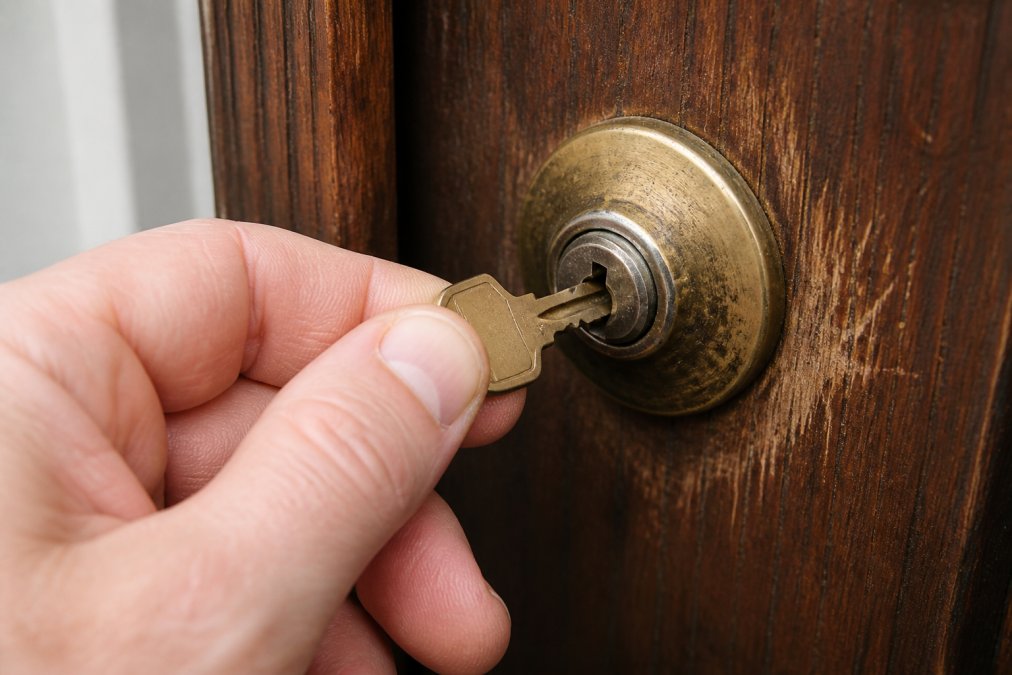
A key that sticks or grinds is the most common early warning sign that a lock repair is overdue. The internal tumblers are wearing unevenly, and friction is building inside the cylinder.
At N&G Locksmiths Service Ltd, we see this more than any other fault. A worn key or a dry mechanism forces you to push harder than you should. That pressure damages the pins inside the lock.
Left alone, a stiff mechanism turns into a broken one. The keyway widens, the springs weaken, and eventually the lock stops working altogether.
2. The Door Handle or Cylinder Feels Loose
A loose handle or cylinder means the fixings holding your lock in place have worked free. This is a security problem, not just an annoyance.
Wobbly door furniture lets an intruder attack the lock with more use. A loose cylinder can often be snapped or pulled out entirely.
Tightening the screws may solve it. If the handle set still moves, the internal components or the door hardware itself need replacing. This is one of the clearest signs you need a lock repair rather than a quick tighten.
3. The Door No Longer Aligns with the Strike Plate
Misalignment between the door and the strike plate is a classic cause of lock failure. The bolt no longer lines up with the hole in the door frame, so it cannot seat properly.
Door sag is usually to blame. Hinges loosen over time, and the weight of the door pulls it out of square. Weather changes make it worse, as timber swells and shrinks with the seasons.
You can often spot this yourself. Look at the strike plate: if the bolt is scraping the edge or missing the hole, realignment is needed. A locksmith can adjust the strike plate or rehang the door.
4. You Need to Jiggle the Key to Turn It
If you must jiggle the key to get it to turn, the lock is telling you something. The key rotation has become unreliable, and the tumbler pins are no longer engaging cleanly.
A common mistake is to keep forcing the key. That wears down both the key and the cylinder faster. What most guides miss is that jiggling is often the last stage before total mechanical failure.
This is a straightforward lock repair if caught early. Once the mechanism seizes completely, you are looking at a replacement.
Master Locksmiths Association guidance on lock standards
5. The Key Snaps or Shows Heavy Wear
A snapped key or a visibly worn key is a serious warning. Key snapping usually happens inside the keyway, leaving half the key stuck in the lock.
Wear shows as rounded edges, a shiny surface, or a key that no longer fits snugly. A worn key damages the tumblers every time you use it.
Key extraction is a job for a professional. Picking out a broken key without damaging the cylinder takes the right tools. Once the key is out, the lock often needs repair or replacement too.
6. The Lock Is Grinding or Making Unusual Noises
Grinding, scraping, or clicking noises point to internal damage. The cam, spring latch, or tumblers are catching on something inside the mechanism.
A grinding noise often means metal is grinding against metal. That friction accelerates wear and can shear internal parts. Ignoring it rarely ends well.
Lubrication helps only if the mechanism is otherwise sound. If the noise continues after treatment, the internal components are damaged and the lock needs attention.
Yale home security maintenance advice
7. Your Smart Lock Is Failing or Disconnecting
Smart locks fail in ways mechanical locks do not. Dead batteries, dropped wireless connections, and app errors all leave you locked out.
Watch for these smart lock specific failure signs:
- The keypad responds slowly or not at all
- The lock disconnects from your phone or hub
- The motor sounds strained when locking
- Battery life drops faster than expected
A smart lock that keeps disconnecting is a security vulnerability. If it fails while you are out, you have no way in. Many of these issues need a specialist lock repair, not a reset.
Lock Repair vs Replacement: Which Is Right for You?
The decision comes down to three things: the condition of the mechanism, the age and standard of the lock, and whether the fault is mechanical or electronic. Cost matters, but it is rarely the deciding factor on an external door.
Work through this decision framework before you book anything:
| Situation | Recommended Action | Why |
|---|---|---|
| Stiff but functional lock | Repair and lubricate | Mechanism is sound; friction is the only fault |
| Loose handle or cylinder | Repair or replace hardware | Fixings or parts worn; cylinder may be attackable |
| Snapped key, damaged cylinder | Replace cylinder | Internal damage; extraction alone will not restore security |
| Outdated, non-compliant lock | Replace | Security upgrade; repair adds no value |
| Smart lock disconnecting | Repair or replace | Electronics failing; battery and firmware first, then hardware |
| Lock over 10 years old with recurring faults | Replace | Wear is systemic, not isolated |
The age and standard test
A lock that is more than a decade old, or that does not meet the relevant British Standard for its position, is usually not worth repairing. The British Standards Institution publishes the BS 3621 (thief-resistant locks) and BS EN 1303 (cylinder) standards that insurers and locksmiths commonly reference. If your lock predates the current standard or has no kitemark, a repair restores function but not compliance.
On an external final exit door, that distinction matters. A repaired non-compliant lock is still a non-compliant lock.
The cost logic
A repair is normally the cheaper option when the fault is isolated: lubrication, a tightened fixing, a realigned strike plate, or a replaced cylinder. Replacement becomes the better value when the same lock has failed more than once in a short period, when the cylinder is damaged, or when the lock is being upgraded anyway.
A useful rule of thumb: if the repair quote approaches the cost of a new compliant lock fitted, replace it. You get a fresh mechanism, a new guarantee, and a known standard.
The insurance angle
This is the part most guides skip. Home insurance policies typically require that the property is left secure and that external doors are fitted with locks of a reasonable standard. If a break-in occurs through a lock you knew was damaged, an insurer can question whether you met that condition. The same applies if a lock was fitted or repaired in a way that does not meet the standard your policy expects.
That does not mean every stiff lock invalidates your cover. It means a known, ignored fault is a risk you are carrying. Repairing or replacing it removes the argument.
British Standards Institution guidance on lock standards
How to Fix a Stiff Door Lock (and When to Stop)
Knowing how to fix a stiff door lock yourself saves a call-out, but only up to a point. The gap most guides leave is the threshold: where safe DIY ends and permanent damage, or an insurance problem, begins.
Safe DIY steps
- Apply a graphite or silicone lubricant into the keyway
- Work the key in and out gently to spread it
- Check the strike plate for misalignment
- Tighten any loose screws on the handle set
- Test the key rotation without forcing it
If the key turns freely after that, you have solved a maintenance issue. If it does not, stop.
The DIY threshold
Stop and call a professional if any of the following apply:
- The key still sticks after lubrication
- You hear grinding, scraping, or clicking inside the mechanism
- The cylinder feels loose or rotates without the key
- The key has snapped, or half of it is still in the keyway
- The lock is on an external final exit door and the fault is more than stiffness
- The lock is a smart lock and the fault is electronic, not mechanical
Each of these points to internal damage that lubrication cannot fix. Continuing to force the key at this stage is what turns a repair into a replacement.
What you can damage by pushing on
Forcing a stiff lock does three things. It wears the key itself, so a worn key then damages the tumblers on every use. It widens the keyway, which reduces the precision of the pin stack. And it can shear the cam or snap the key inside the cylinder, which is the point where a simple repair becomes an extraction plus a replacement.
A snapped key left in the lock is also a security issue. Anyone with the right tools can extract it, and the cylinder is already compromised.
The insurance risk of a botched repair
This is the part most guides do not mention. If you attempt a repair yourself and the lock later fails during a break-in, an insurer can ask whether the lock was left in a reasonable condition and whether any work was carried out to a competent standard. A DIY repair that leaves the lock non-compliant, or a known fault you chose not to fix, can give an insurer grounds to reduce or refuse a claim.
That is not a reason to avoid basic maintenance. Lubricating a lock and tightening a handle screw are normal homeowner tasks. It is a reason to stop before you start dismantling a cylinder or forcing a mechanism you do not understand.
Master Locksmiths Association guidance on lock maintenance
When to Call a Locksmith for Emergency Repairs
Call a locksmith immediately when you are locked out, when a key has snapped in the lock, or when the lock fails and leaves your property insecure. These are emergencies, not maintenance jobs.
For non-urgent faults, book a locksmith during normal hours. A stiff mechanism, a loose handle, or a misaligned door can wait a day or two. A broken lock on an external door cannot.
N&G Locksmiths Service Ltd offers 24/7 emergency service with no call-out fee and a 30-minute response time. As a family-run business, we provide upfront pricing and a 12-month guarantee on our work.
Checkatrade guide to choosing a verified tradesperson
Frequently Asked Questions
What are the most common signs that a lock needs repair?
The clearest signs include a key that sticks or grinds, a loose handle or cylinder, difficulty turning the key, unusual noises like grinding, and visible wear on the key itself. You might also notice the door no longer aligns with the strike plate, or the key needs jiggling to work. If any of these appear, the internal components are likely worn and a lock repair is needed before the mechanism fails completely.
Should I use WD-40 on a stiff lock?
Standard WD-40 is not ideal for locks because it attracts dust and dirt, which can clog the internal components over time. Instead, use a silicone-based lubricant or graphite powder designed for lock maintenance. Apply a small amount into the keyway, then work the key in and out several times. If the lock remains stiff after lubrication, the issue may be mechanical wear rather than simple friction, and a locksmith should inspect it.
How do I decide between lock repair vs replacement?
Choose repair if the lock is less than ten years old, the damage is limited to lubrication or minor alignment, and the cylinder still meets current security standards. Opt for replacement if the lock is over a decade old, has been forced or damaged, or if you have lost keys and cannot account for them. A locksmith can assess the cylinder, strike plate, and internal components to recommend the most cost-effective option.
When should I call a locksmith instead of fixing it myself?
Call a locksmith when the key snaps inside the cylinder, the lock cannot be turned even after lubrication, or the door is misaligned enough that it will not close securely. You should also call a professional if you notice signs of forced entry or if the lock is under warranty. Attempting DIY repairs on a broken mechanism can cause further damage and may void the guarantee.
How long should a standard front door lock last?
A standard front door lock typically lasts between 7 and 10 years with regular use, though this varies by quality and maintenance. Locks exposed to coastal weather or heavy traffic may wear faster. If your lock is approaching this age and showing signs like stiffness or loose fittings, plan for a lock repair or replacement soon. Annual lubrication and checking screw tightness can extend its lifespan.
A failing lock is a security risk you cannot afford to ignore. Whether it is a stiff mechanism or a smart lock that keeps disconnecting, the sooner it is fixed, the safer your property. N&G Locksmiths Service Ltd offers 24/7 emergency lock repair, no call-out fee, a 30-minute response time, and a 12-month guarantee on all work. Get started with N&G Locksmiths Service Ltd and restore your peace of mind today.