 ultimate-guide
Professional Locksmiths in Norfolk: What to Know
Table of Contents
- What Counts as a Professional Locksmith in Norfolk?
- Why Choose MLA-Approved Locksmiths for Your Property
- Understanding Locksmith Call-Out Charges and Fees
- Emergency Locksmith Services: What to Expect 24/7
- Locked Out? A Step-by-Step Guide to Getting Back In
- Residential and Commercial Security Upgrades
- Auto Locksmith Services: Keys, Fobs, and Entry
- Understanding Lock Types: Mortice vs. Euro Cylinder
- DIY Lock Maintenance Tips to Prevent Emergencies
- How to Verify a Locksmith Before Letting Them In
- Frequently Asked Questions
Last Updated: September 8, 2026
What Counts as a Professional Locksmith in Norfolk?
Finding a genuine professional locksmiths in norfolk is harder than it should be. The trade attracts both skilled craftspeople and unqualified operators who can damage your door, your lock, or your wallet. A professional is a fully insured, accredited tradesperson with the right tools, transparent pricing, and a written guarantee.
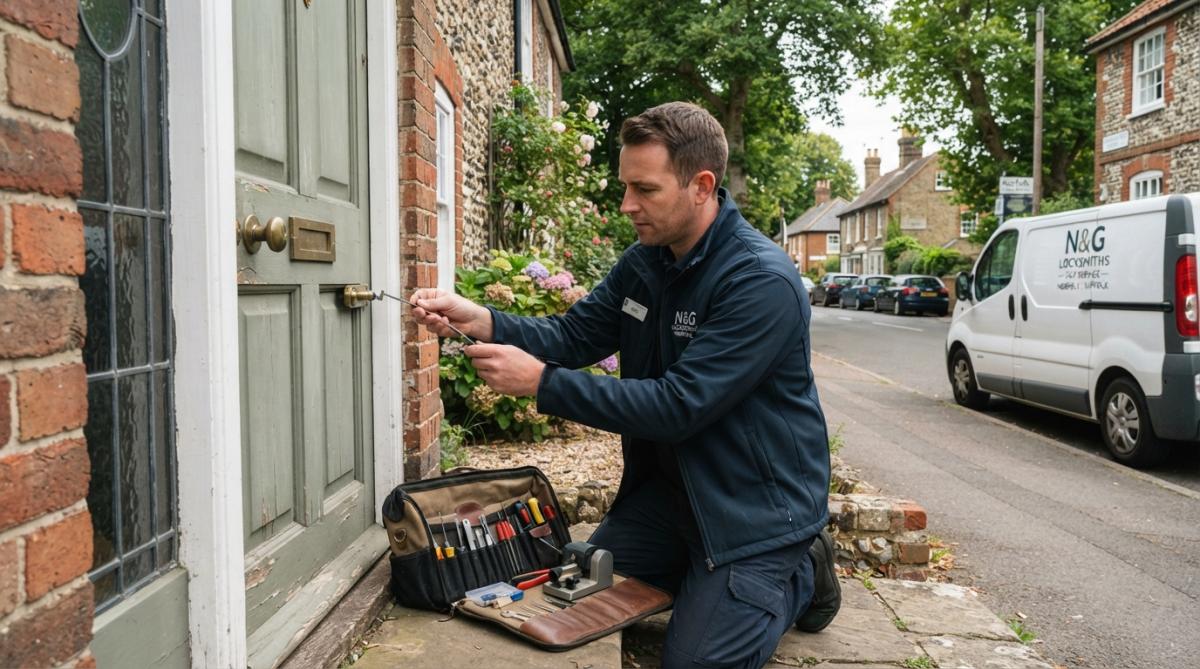
The first test is accreditation. Look for membership in a recognised trade body such as the Master Locksmiths Association, which vets members through police checks, insurance verification, and technical assessments. Certified professionals arrive prepared, work cleanly, and rarely need to force entry because they carry specialist tools for non-destructive entry.
A true professional asks about your lock type, confirms the location, and gives a clear price before attending. If someone refuses to quote over the phone or turns up in an unmarked van demanding cash, treat that as a warning sign. Professional locksmiths in norfolk operate with fixed pricing and can identify themselves through MLA membership and insurance documents.
Why Choose MLA-Approved Locksmiths for Your Property
MLA-approved locksmiths meet a standard ordinary traders do not. The Master Locksmiths Association vets members on police checks, insurance, and technical competence, and holds them to a published code of practice. Choosing an MLA-approved locksmith means the person at your door has been verified, not just advertised.
That verification matters most in an emergency. When locked out at night, you are vulnerable and unlikely to compare credentials carefully. An MLA-approved locksmith removes that risk because accreditation is checked before they arrive.
Insurance is another reason to insist on approval. Many home insurance policies specify that locks must meet British Standard requirements and that work should be carried out by a qualified professional. Using an unapproved trader can void your cover if a claim follows a break-in. As documented in Master Locksmiths Association guidance on choosing a locksmith, approved members carry liability insurance that protects both you and your property during any work.
Approved locksmiths use quality security hardware, follow manufacturer fitting instructions, and guarantee their workmanship. N&G Locksmiths Service Ltd backs every job with a 12-month guarantee.
Understanding Locksmith Call-Out Charges and Fees
Call-out charges are where confusion and distrust creep in. Many locksmiths advertise a low call-out fee, then add charges for parts, labour, and out-of-hours work. Ask one question before booking: what is the total price to complete the job, including call-out, parts, and VAT?
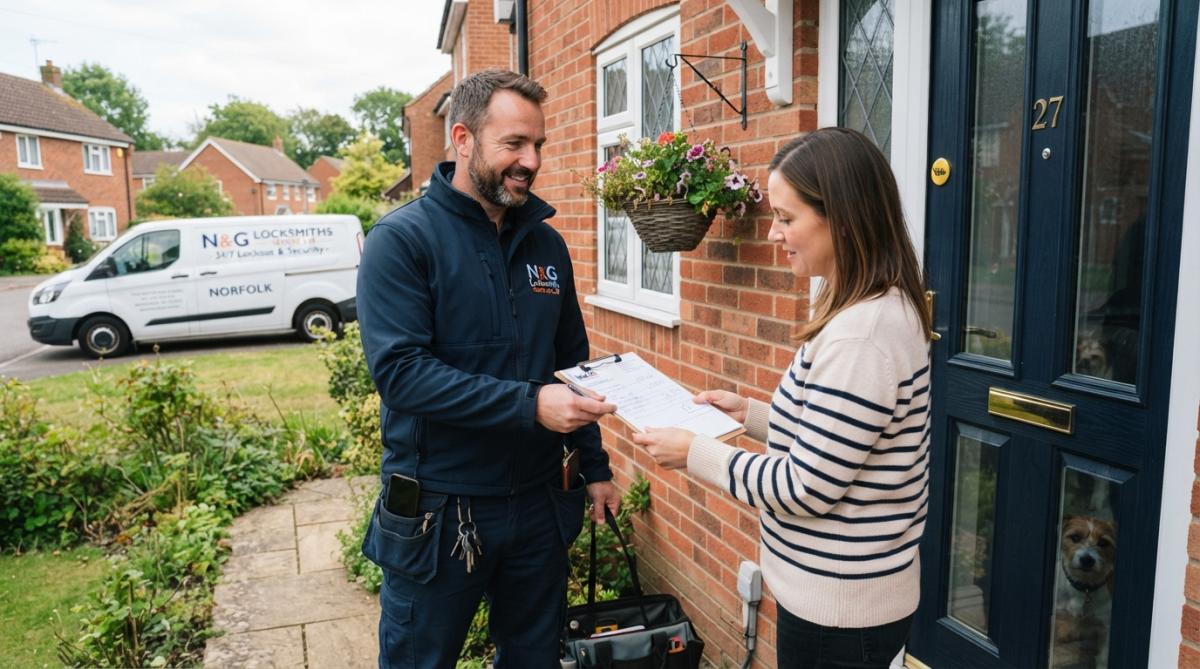
A standard call-out covers travelling to your property and assessing the job. Some companies charge this separately; others, like N&G Locksmiths Service Ltd, waive it entirely and price per job instead. A "no call-out fee" promise only helps if the quoted work price is fair.
Typical fee structures include:
- Fixed price per job, quoted before work starts
- Call-out fee plus hourly labour
- Call-out fee plus parts with labour included
Avoid the model where the locksmith arrives, assesses the job, and only then reveals the price. Once someone is at your door, you have little negotiating power. A professional gives a firm quote over the phone based on your lock type and situation. If the price changes once they arrive, ask them to explain why before authorising any work.
To help you benchmark what you might expect to pay, here are typical price ranges for common jobs in the region. These are indicative figures only; a professional will confirm the exact price before starting.
| Job Type | Typical Price Range (incl. VAT) |
|---|---|
| Standard lockout (uPVC door, non-destructive entry) | £65 - £120 |
| Night latch replacement (timber door) | £80 - £150 |
| Euro cylinder replacement (supply and fit, TS007 3-star) | £90 - £180 |
| Mortice lock replacement (BS3621, 3-lever) | £120 - £220 |
| Vehicle entry (non-destructive) | £70 - £150 |
| Out-of-hours surcharge (e.g., between 8 PM and 8 AM) | +£40 - £80 |
These figures reflect typical market rates across the county. A locksmith quoting significantly below these ranges may be using a low headline price to get through the door, then adding extras. One quoting significantly above should justify the premium with higher-spec hardware or a faster response guarantee.
The type of lock fitted is another cost factor. A basic euro cylinder from a DIY shed costs around £10, but a TS007 3-star anti-snap cylinder from a reputable brand such as Yale, ERA, or Union costs between £25 and £60 at trade prices. A 3-star cylinder resists snapping, picking, and bumping, while a basic cylinder can be compromised in under a minute.
All locksmith services are subject to VAT at the standard rate of 20%, and a legitimate business will include this in their quote. If a trader offers to "save you the VAT" by paying cash, they are avoiding tax and likely avoiding insurance and guarantees too. This is a red flag, not a discount.
Finally, ask about the guarantee on parts and labour. A professional will typically offer a 12-month guarantee on both, as N&G Locksmiths Service Ltd does. This guarantee is only worth something if the company is traceable and insured.
Emergency Locksmith Services: What to Expect 24/7
Emergency locksmith services exist for the moments when your keys are lost, your lock has failed, or you are standing outside in the rain. A genuine 24/7 service responds at 2 AM on a Sunday just as readily as at 2 PM on a Tuesday. A professional service will confirm their expected arrival time when you call and stick to it.
A professional emergency locksmith will assess the lock, attempt non-destructive entry first, and only drill or force the lock if there is no other option. This matters because replacing a damaged lock costs significantly more than the call-out itself. Non-destructive entry preserves your existing hardware and keeps the job quick.
Many companies advertise a 30-minute response window within their local area. When choosing an emergency provider, ask how they guarantee that time. A local team with engineers already on the road can meet it; a call centre dispatching from elsewhere often cannot.
Save a trusted locksmith's number before you need it. N&G Locksmiths Service Ltd operates across Norfolk, Suffolk, and Cambridgeshire with a 30-minute response time. Knowing that number in advance means one less thing to panic about when locked out.
Locked Out? A Step-by-Step Guide to Getting Back In
Being locked out is stressful, but the steps you take in the first few minutes determine how much the fix costs. Follow this sequence to get back in safely and without unnecessary damage.
- Check every door and window. It sounds obvious, but a side gate, patio door, or utility entrance is often left unlocked.
- Locate a spare key with a trusted neighbour or family member who lives nearby.
- If you have a uPVC door, check whether the handle is lifted fully. A partially lifted handle can make a multi-point lock seem jammed when it is simply misaligned.
- If entry is genuinely impossible, call a professional locksmith. Do not attempt to force the door yourself.
- While you wait, find your identification and proof of address. A legitimate locksmith will ask for these before opening your door to confirm you have the right to access the property.
- Once inside, test the lock mechanism fully. If the lock failed rather than you losing your keys, have the locksmith inspect it before you settle the bill.
The most common mistake is calling a locksmith before checking the obvious. Equally common is accepting the first "engineer" who arrives without verifying their identity. A professional will happily show their ID and confirm your details before starting.
Residential and Commercial Security Upgrades
Security upgrades go beyond replacing a broken lock. For homeowners, the priority is usually upgrading to anti-snap, anti-pick, and anti-bump cylinders that resist the techniques burglars actually use. For businesses, the conversation shifts to master key systems, access control, and high-security hardware.
A professional locksmith will start with a security audit: walking your property, identifying weak points, and recommending upgrades based on risk rather than selling the most expensive option. Common residential recommendations include upgrading uPVC door locks to TS007 or BS3621 standard, adding deadbolts to timber doors, and replacing night latches with more secure mechanisms.
Commercial security is a different discipline. Master key systems control access across multiple properties or departments, while restricted keyways prevent unauthorised duplication. For landlords and property managers, rekeying between tenancies is essential to ensure previous tenants cannot access the property.
The cost of upgrades varies widely depending on the hardware and the number of locks. Rather than guessing, ask a professional for a security audit and an itemised quote. N&G Locksmiths Service Ltd offers security assessments across Norfolk, Suffolk, and Cambridgeshire, recommending upgrades that match your actual risk profile.
Auto Locksmith Services: Keys, Fobs, and Entry
Auto locksmithing is a specialist field requiring different training and equipment than residential work. Modern vehicles use transponder keys, remote fobs, and immobiliser systems that need programming equipment to pair a new key to the car. A general locksmith without this equipment cannot help you, so check their capabilities before calling.
The most common auto locksmith scenarios are:
- Locked out of the vehicle with keys inside
- Lost or stolen keys requiring replacement and programming
- Broken keys snapped in the ignition or door lock
- Faulty or dead key fobs needing battery replacement or reprogramming
Vehicle entry is almost always non-destructive. Professional auto locksmiths use specialised tools to open car doors without damaging seals or paintwork. If someone suggests breaking a window, end the call and find another provider.
Key replacement is where costs escalate. Modern keys contain transponder chips that must be programmed to match your vehicle's immobiliser system. This requires diagnostic equipment and, in some cases, access to the vehicle's security codes. Prices vary significantly between makes and models, so a professional will quote after confirming your registration and key type.
Understanding Lock Types: Mortice vs. Euro Cylinder
Choosing the right lock starts with understanding the two most common types fitted to UK doors. A mortice lock is fitted inside a pocket cut into the edge of a timber door, operated by a key from outside and a handle or knob from inside. A euro cylinder lock sits inside a uPVC or composite door handle, with the cylinder protruding from the lock case.
Mortice locks are graded by British Standard levels. BS3621 is the standard insurers expect for timber external doors, and a lock meeting this standard carries a kitemark proving it. Euro cylinders are graded by the TS007 standard, which rates resistance to snap, pick, and bump attacks.
The security difference comes down to attack methods. Mortice locks are vulnerable to drilling and picking, while euro cylinders are vulnerable to snapping, where a burglar breaks the cylinder to manipulate the mechanism. Modern euro cylinders feature anti-snap break lines that snap at the correct point, leaving the lock secure.
For most homes, upgrading means replacing the cylinder rather than the entire door. It is a quick job for a professional and one of the most cost-effective security improvements available. If your uPVC door has a standard euro cylinder without anti-snap features, replacing it with a TS007-rated cylinder is a sensible investment.
DIY Lock Maintenance Tips to Prevent Emergencies
Most lock failures are preventable with basic maintenance. A little care every few months keeps mechanisms lubricated, aligned, and functioning smoothly, reducing the chance of a mid-winter lockout. This section gives you a practical maintenance routine that extends the life of your locks.
The quarterly lubrication routine
Start with lubrication. Use a dry PTFE spray or graphite powder designed for locks, not oil or WD-40. Oil attracts dust and grit, which builds up inside the mechanism and causes sticking. Spray the key, insert it, and turn several times to distribute the lubricant evenly. Do this twice a year for each external door lock, once before winter and once before summer, because temperature changes cause metal components to expand and contract, accelerating wear.
Checking alignment and hinge wear
Check alignment regularly. If your door sticks or the latch scrapes against the strike plate, the hinges may have dropped. Tightening hinge screws often fixes this. For uPVC doors, check that the handle returns fully to the horizontal position after opening; a sagging handle can stop the multi-point lock from engaging. If the handle stays slightly raised, the internal gearbox may be worn, which is a job for a professional.
Cleaning the keyway and dealing with sticky keys
Clean the keyway occasionally. Dust and debris accumulate inside the cylinder, causing keys to stick or jam. A blast of compressed air clears most blockages. If a key becomes difficult to turn, stop forcing it and call a professional, forcing a stuck key usually snaps it. A common cause of sticky euro cylinders is a worn key; if your key looks worn at the edges, have a new one cut from the original before it fails completely.
What not to do
There are several well-meaning maintenance habits that cause more harm than good:
- Do not use WD-40 or any penetrating oil on lock mechanisms. It dissolves the factory grease and leaves a sticky residue that attracts grit.
- Do not file or sand a key that sticks. This removes the protective coating and changes the key's profile, which can damage the lock's internal pins.
- Do not attempt to disassemble a euro cylinder or mortice lock. These mechanisms contain small springs and pins that are easy to lose or misalign, and reassembly requires specialist knowledge.
- Do not overtighten hinge screws on uPVC doors. The screws bite into a metal reinforcing strip, and stripping the thread means the hinge can no longer be adjusted.
Seasonal considerations for UK weather
UK weather presents specific challenges for locks. In winter, moisture can freeze inside the cylinder, preventing the key from turning. If this happens, warm the key with a lighter or hairdryer before inserting it, never pour boiling water over the lock. In summer, UV exposure can fade and embrittle uPVC door handles, causing them to crack or become stiff. A silicone-based spray on the handle mechanism, not the cylinder, helps keep it operating smoothly.
When maintenance is not enough
If your lock is more than ten years old, or if it has been subjected to an attempted break-in, replacement is often safer than continued maintenance. Lock mechanisms wear internally, and a lock that has been picked or bumped may have damaged pins that no longer provide full security. A professional can assess whether your lock is still fit for purpose during a routine security audit.
By following this maintenance routine, you reduce the likelihood of a lockout and extend the working life of your locks. When a lock does fail despite regular care, that is the time to call a professional, not before.
How to Verify a Locksmith Before Letting Them In
Verifying a locksmith takes two minutes and protects you from the most common scams in the trade. Before you let anyone work on your door, confirm three things: accreditation, insurance, and identity.
Ask for their MLA membership number and check it against the Master Locksmiths Association directory. Ask for proof of insurance and confirm it covers the work they will perform. When they arrive, check their ID matches the name and company you booked. A professional will expect these questions and answer them without hesitation.
Look for signs of legitimacy in their vehicle and equipment. A professional locksmith arrives in a branded vehicle with proper tools, not a plain van with a pile of generic cylinders. They carry a range of security hardware because different locks require different replacements.
The final test is the quote. A professional gives you a price before starting work and confirms it in writing. If the price changes once the job is done, challenge it. As outlined in Citizens Advice guidance on home repairs and rogue traders, you have rights when agreeing to work and should never pay cash to avoid a paper trail.
Trusting a stranger with your home is never easy, but verification removes most of the risk. A professional locksmith in norfolk will be happy to prove their credentials because they have nothing to hide. For a fully licensed and insured service with certified professionals, N&G Locksmiths Service Ltd provides complete peace of mind, backed by a 12-month guarantee on every job, with no call-out fee and a 30-minute response time across Norfolk, Suffolk, and Cambridgeshire. For more on securing your property, the Secured by Design home security guidance offers practical standards for doors, windows, and locks.
Frequently Asked Questions
How do I know if a locksmith is legitimate?
Check for MLA-approved status, which requires vetted, DBS-checked tradespeople. Ask for their full company name and a landline number, and verify their physical address before they arrive. A legitimate locksmith in Norfolk will arrive in a branded vehicle and provide a written quote before starting work. You can also ask to see their ID and proof of insurance when they reach your property.
How much do locksmiths charge per hour in the UK?
Locksmith call-out charges vary by location, time of day, and the type of work needed. Always ask for a full written quote before authorising any work, and confirm whether the price includes parts, labour, and VAT. For transparent pricing, check the N&G Locksmiths Service Ltd website for current rates.
What should I do when locked out of my house?
Stay calm and check for any open windows or alternative doors first. If you are genuinely locked out, call a professional locksmith who offers non-destructive entry. A skilled technician can usually open a uPVC door lock without causing damage. Avoid attempting to force a lock or window yourself, as this often leads to costly repairs. While waiting, find a safe, well-lit spot and keep your phone charged.
What qualifications should a professional locksmith hold?
Look for locksmiths with MLA-approved status, as this accreditation requires background checks and verified training. Many professionals also hold NVQ qualifications in locksmithing and carry DBS certification. Membership in trade bodies like the Master Locksmiths Association signals a commitment to industry standards. Before hiring, ask which specific accreditations they hold and whether their work is covered by a guarantee.
Choosing the right locksmith comes down to preparation. Verify accreditation before you need it, understand how pricing works, and maintain your locks so emergencies stay rare. When you do need help, a professional service makes the difference between a five-minute fix and a costly repair. Get started with N&G Locksmiths Service Ltd and secure your property with certified professionals who arrive fast, price fairly, and guarantee their work.