 how-to
No Call Out Fee Explained: What It Really Means
Table of Contents
- What Does No Call Out Fee Mean?
- What Is Included in a No Call Out Fee Service
- Average Locksmith Call Out Fee UK and Why It Exists
- No Call Out Fee vs. Hourly Rate: Key Differences
- Hidden Costs in Locksmith Services to Watch For
- What to Ask a Locksmith Before They Arrive
- Is No Call Out Fee Actually Free If No Work Is Done?
- How to Verify Fair Pricing and Transparent Billing
- Frequently Asked Questions
Last Updated: September 2, 2026
What Does No Call Out Fee Mean?
A no call out fee means a tradesperson won't charge you for attending your property to assess the work required. Instead of paying a fixed fee just for them to show up, you only pay for the labour and materials if you decide to proceed with the job.
This pricing model removes one barrier to getting help. When you're locked out of your home at midnight or your business security has failed, the last thing you want is to debate whether a £50-£100 attendance charge is worth it before you even know what the repair costs.
At N&G Locksmiths Service Ltd, we operate on a no call out fee basis because we understand that transparency builds trust. You get a professional diagnosis of your lock problem without financial obligation, then make an informed decision about whether to proceed. Many service providers across the trades have moved toward this model precisely because it reflects how customers actually want to buy emergency services: assessment first, payment only if you accept the quote.
The catch, and there always seems to be one, is understanding what "no call out fee" actually covers and what it doesn't. A tradesperson arriving to assess your situation costs them time and fuel. If they're not charging for the visit itself, those costs get absorbed somewhere. This is where hidden charges often creep in, and why it's crucial to ask the right questions before they arrive.
What Is Included in a No Call Out Fee Service
When a locksmith offers no call out fee service, the visit itself is free. What happens during that visit determines what you'll pay.
A typical no call out visit includes a professional assessment of your lock situation. The tradesperson examines the lock type, the damage (if any), and what work is actually needed. They'll identify whether this is a simple lock change, a repair, an emergency opening, or something more complex. This diagnosis is the core value of the visit.
The assessment also produces a quote. A reputable locksmith will break down labour costs, parts costs, and any additional charges before touching your lock. You're under no obligation to accept. If the quote seems high or you want a second opinion, you can decline and they leave, no charge.
What's typically NOT included in a no call out fee visit:
- Parts and materials (you pay for these if you proceed)
- Labour time (charged separately, usually hourly or per job)
- Emergency surcharges (if you've called outside normal hours)
- Travel costs (some locksmiths include this in the quote, others itemise it)
- Specialist work (complex lock programming or security upgrades may cost more)
The distinction matters because "no call out fee" doesn't mean "free locksmith visit." It means you're not charged for the assessment alone. The moment work begins, opening a locked door, replacing a lock, rekeying cylinders, the labour charges start.
Some locksmiths blur this line deliberately. They'll say "no call out fee," arrive, diagnose the problem, then present a quote that includes a labour component for the assessment itself. This is technically not a call out fee, but it's close enough that customers feel misled. Ask explicitly: "Will I be charged for the assessment if I decide not to proceed?" The answer should be an unambiguous no.
Average Locksmith Call Out Fee UK and Why It Exists
To understand why some locksmiths charge a call out fee and others don't, you need to see the economics from their side.
A call out fee (when charged) typically ranges from £30 to £100 depending on location, time of day, and the locksmith's business model (which.co.uk). Emergency visits outside standard hours often attract higher fees. A 2 AM lockout costs more than a 2 PM one because the tradesperson is working unsociable hours and has fewer jobs queued behind it.
Why do locksmiths charge for call outs at all? The costs are real. A service vehicle uses fuel to reach your property. The tradesperson's time is spent travelling, not billing for work. There's insurance, maintenance, and overhead. If a customer calls, they attend, assess the situation, then the customer declines the quote, the locksmith has incurred costs with zero revenue.
From a pure business perspective, charging for attendance protects against time-wasters and covers genuine operational costs. A no call out fee model shifts this risk. The locksmith absorbs the travel and assessment cost in the hope that most customers will accept the quote and pay for labour and parts.
This is why locksmiths using a no call out fee model often build slightly higher labour rates into their quotes. They're compensating for the visits that don't convert to paid work. It's not hidden, it's just distributed differently.
The trade-off for customers is clear: no call out fee means lower barrier to getting professional help, but potentially higher labour rates. A call out fee model means you pay upfront for the assessment, but labour rates might be slightly lower overall.
N&G Locksmiths Service Ltd operates on a no call out fee basis because we prioritise customer confidence. When you're in an emergency situation, the last thing you need is financial uncertainty before you've even spoken to a professional. Our 30-minute response time and transparent quoting process mean you get answers quickly without hidden charges.
No Call Out Fee vs. Hourly Rate: Key Differences
Understanding the difference between these pricing models helps you evaluate what you'll actually pay.
An hourly rate is straightforward: the tradesperson charges £X per hour for labour. A one-hour job costs £X. A three-hour job costs £3X. Parts are typically charged separately on top. The locksmith might have a minimum charge (e.g., "minimum one hour, £60") to account for short jobs that wouldn't justify the call out.
A no call out fee with a fixed job price works differently. The locksmith assesses the work, quotes a total price for the entire job (labour plus parts), and that's what you pay if you proceed. There's no hourly calculation, you're paying for the outcome, not the time.
The practical difference:
- Hourly model: You know the rate, but not the total cost until the work is done. A job that should take 45 minutes might take 90 minutes if complications arise. You pay for the extra time.
- Fixed price model: You know the total cost upfront. If the job takes longer than expected, the locksmith absorbs the extra time. If it's quicker, they still get the quoted price.
Locksmiths prefer hourly rates for complex or unpredictable work (security upgrades, specialist lock programming). They prefer fixed prices for routine jobs (standard lock changes, emergency openings) where the scope is clear.
For you as a customer, a fixed price with no call out fee is the most transparent option. You know the cost before work begins. You're not worried about time overruns or surprise charges. This is why it's become the standard in residential locksmith services.
Some locksmiths use a hybrid: no call out fee, then either an hourly rate or a fixed price depending on what the assessment reveals. This is reasonable if they explain it clearly upfront.
Hidden Costs in Locksmith Services to Watch For
Even with a no call out fee policy, costs can surprise you. Here's what to watch for.
The diagnostic fee that isn't called a diagnostic fee. Some locksmiths quote a "call out charge" or "attendance fee" only if you don't proceed with the work. If you accept their quote, it's waived. This is technically different from a call out fee, but it feels the same to the customer. Ask: "If I decline your quote, will I be charged anything?" If yes, how much?
Travel costs. Some locksmiths include travel in their quote. Others itemise it separately. A 20-mile journey might add £15-£30 to your bill. Ask whether travel is included or if it's a separate line item.
Emergency surcharges. Calling a locksmith at 3 AM costs more than calling at 3 PM. This is legitimate, the tradesperson is working unsociable hours. But the surcharge should be disclosed upfront, not presented as a surprise on the invoice. Typical emergency surcharges are 25-50% above standard rates. Confirm this before they arrive.
Parts markup. The locksmith buys a lock cylinder for £20 and charges you £45. This markup is normal and covers their inventory costs, expertise in selecting the right part, and warranty. But some locksmiths mark up aggressively. Ask what the part is and what they're charging. If it seems excessive, you can sometimes source the part yourself and ask them to fit it (though many won't, and that's their choice).
Minimum charges. A locksmith might charge a minimum of one hour's labour even for a 15-minute job. This is standard. But ask what the minimum is so you're not surprised.
Specialist work premiums. Rekeying a lock costs less than replacing it. Programming a modern car key costs more than cutting a standard one. Smart locks and high-security systems attract higher charges. These aren't hidden, they're just more expensive because the work is more complex. But ask for the breakdown so you understand why.
Damage charges. If the locksmith has to force a lock open to gain access, they might charge extra for the damage caused. This should be disclosed during the assessment, not after. If you're concerned about damage, ask how they'll minimise it and what the cost would be if damage occurs.
The best defence against hidden costs is a detailed written quote. Before work begins, you should have a document that lists labour, parts, travel, and any surcharges. If something isn't on the quote and gets added to the invoice later, you're within your rights to question it.
What to Ask a Locksmith Before They Arrive
Preparation prevents surprises. Here's what to clarify before the tradesperson arrives at your door.
"Do you charge for the visit if I don't proceed with the work?" This is the core question. The answer should be no. If they say yes, they're not truly offering a no call out fee service, they're offering a call out fee with a different name.
"What's your hourly rate, or will you quote a fixed price?" Understand the pricing model. If it's hourly, ask what the minimum charge is. If it's fixed, ask if the price changes if the job is more complex than the initial assessment suggests.
"Do you charge for travel?" If yes, how much? Is it included in the quote or separate? If they're coming from a distance, travel costs are legitimate, but they should be transparent.
"What happens if I need emergency service outside normal hours?" If you're calling at midnight, expect to pay more. By how much? Confirm the surcharge before they arrive.
"Can you give me a quote before you start work?" A professional locksmith will assess the situation, explain what needs doing, and quote a price before touching anything. If they start work first and quote after, you've lost your negotiating position.
"What's included in your guarantee?" Most locksmiths offer some warranty on their work. N&G Locksmiths Service Ltd offers a 12-month guarantee, for example. Ask what's covered. If the lock fails after they've fitted it, are they liable? For how long?
"Are you fully insured and certified?" You want to know they're legitimate. Ask for proof of insurance and any relevant certifications. This protects you if something goes wrong.
"What payment methods do you accept?" Some emergency locksmiths only take cash, which is inconvenient if you don't have it. Confirm payment options before they arrive.
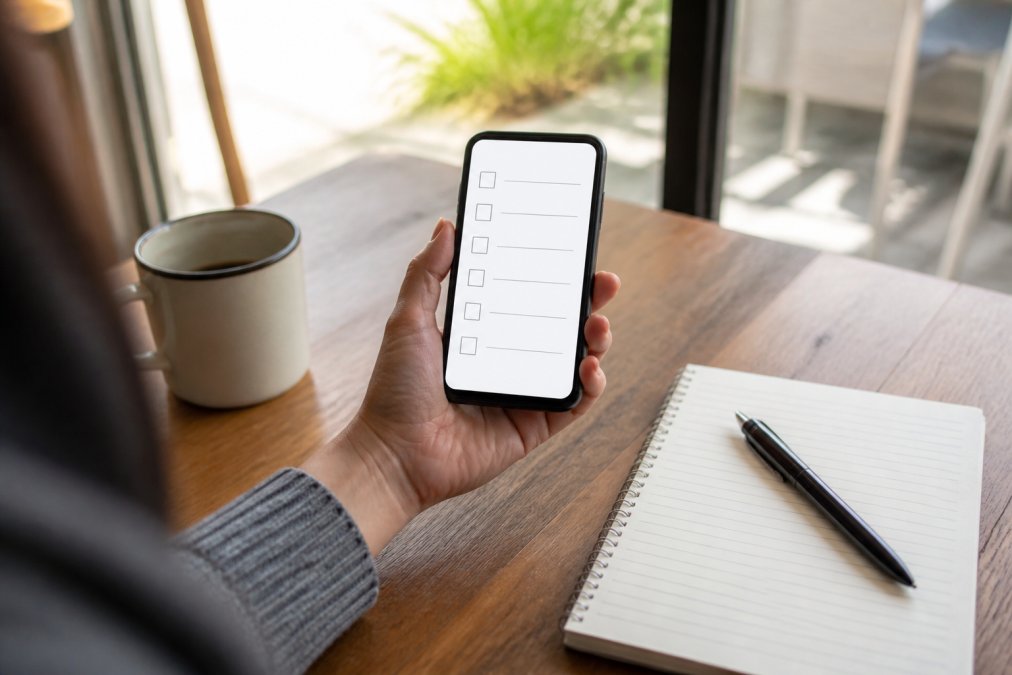
Writing these questions down and having them ready when the locksmith calls prevents you forgetting them in the stress of an emergency. Most professional locksmiths expect these questions and welcome them, it shows you're a serious customer who understands the service.
Is No Call Out Fee Actually Free If No Work Is Done?
This is where the term gets tested. If a locksmith attends, assesses your situation, provides a quote, and you decline, should you pay anything?
The answer depends on what "no call out fee" actually means in their terms. A strict interpretation: you pay nothing if no work is done. The assessment and quote are free. The locksmith absorbs the cost of the visit as part of their business model.
But there are variations:
The conditional call out fee: Some locksmiths charge a call out fee only if you decline their quote. If you accept and proceed, the fee is waived. This incentivises customers to accept the quote, which some find manipulative.
The diagnostic fee: The assessment itself has a cost, but it's credited against the final invoice if you proceed. You only pay the diagnostic fee if you decline the work. This is more transparent than a conditional call out fee, but it's still a charge for declining.
The true no call out fee: You pay nothing if you decline. The locksmith's assessment and quote are completely free. This is the most customer-friendly model and increasingly common in residential locksmith services.
When a locksmith advertises "no call out fee," they usually mean the third option. But it's worth confirming because the distinction matters.
Here's the reality: a locksmith who visits, assesses, and quotes for free incurs real costs. They're betting that enough customers will accept the quote to make it worthwhile. If every customer declined, they'd go out of business. So there's an implicit expectation that you're a genuine customer who might proceed, not someone shopping for free advice.
If you call a locksmith, they attend, and you decline their quote, you've taken their time and expertise without paying. Most locksmiths accept this as part of the business. But if you call multiple locksmiths in succession just to compare prices without intending to use any of them, you're crossing into unfair territory. One free assessment is reasonable. Three in an hour is taking advantage.
The fairest approach: call one or two locksmiths, get quotes, make a decision. If the first quote seems high, getting a second opinion is reasonable. But endless shopping for the cheapest price while declining every quote is not in the spirit of a no call out fee service.
How to Verify Fair Pricing and Transparent Billing
Knowing what's fair requires understanding the market and asking the right questions.
Research typical rates in your area. Locksmith charges vary by region and by specific service. A standard lock change in a city centre costs more than the same job in a rural area. Emergency calls cost more than scheduled appointments. Ask friends, family, or online reviews what others have paid for similar work. This gives you a ballpark figure.
Get multiple quotes. Call two or three locksmiths and ask them to assess the same situation. Their quotes should be similar (within 10-20%) (citizensadvice.org.uk). If one is significantly higher or lower, ask why. Sometimes a higher quote reflects better quality work or stronger guarantees. Sometimes a lower quote means they're cutting corners. Understand the difference.
Ask for a detailed breakdown. The quote should itemise labour, parts, travel, and any surcharges. "Total: £150" tells you nothing. "Labour (1 hour at £60/hour): £60, Lock cylinder: £60, Travel: £30" tells you everything. If the locksmith can't or won't break it down, that's a red flag.
Check for transparent terms. A professional locksmith provides written terms that explain their pricing model, what's included, what's not, and what happens if complications arise. If they're vague or refuse to put anything in writing, move on.
Verify credentials. Fully licensed and insured locksmiths are more accountable. Ask for proof. A legitimate business has nothing to hide.
Check online reviews. Platforms like Google Reviews, Trustpilot, and local trade directories show what customers have actually paid and whether they felt it was fair. Look for patterns. If multiple reviews mention surprise charges, that's a warning. If reviews consistently praise transparent pricing, that's a good sign.
Ask about guarantees. A locksmith confident in their work offers a warranty. N&G Locksmiths Service Ltd offers a 12-month guarantee on all work, which means if something fails within that period, we fix it at no extra cost. This protects you and signals confidence in the quality.
Understand what "fair" means. Fair pricing isn't always the cheapest. A locksmith charging £150 for a job might be more fair than one charging £90 if the first offers better quality, faster response, proper insurance, and a guarantee. Cheap isn't always fair. Neither is expensive. Fair means transparent, reasonable for the work done, and backed by professional standards.
The test of fair pricing is simple: after the work is done, you should feel the price was reasonable for what you received. If you feel you've been overcharged or misled, the pricing wasn't transparent.
Understanding no call out fee means recognising that it removes a financial barrier to getting professional help while shifting costs elsewhere, usually into slightly higher labour rates. It's not "free", it's a different pricing model designed for customer convenience.
The key is asking the right questions before the tradesperson arrives, getting everything in writing, and verifying that the final invoice matches the quote. With those protections in place, a no call out fee service from a reputable locksmith like N&G Locksmiths Service Ltd gives you peace of mind in an emergency without financial surprises.
When you need professional locksmith services with transparent pricing and genuine no call out fees, N&G Locksmiths Service Ltd delivers rapid response, detailed quotes before work begins, and a 12-month guarantee on all work. Call now for immediate assistance or a free assessment of your security needs.
Frequently Asked Questions
Q: Does 'no call out fee' mean the service is free if no work is performed?
A: No. A no call out fee policy means you don't pay for the tradesperson's visit to your property. However, if they attend and diagnose a problem but you decide not to proceed with repairs, some service providers charge a diagnostic or assessment fee to cover their time and expertise. Always clarify this before booking. With N&G Locksmiths Service Ltd, you can discuss exactly what applies to your situation when you call.
Q: What is the average locksmith call out fee UK if a service does charge one?
A: Call out fees vary significantly depending on location, time of day, and the service provider. Emergency visits outside standard hours typically cost more than daytime calls. Some locksmiths charge for a call out, while others waive it entirely. The best approach is to ask about call out fees upfront when you book, and confirm whether the fee is credited against the final invoice if work proceeds. This helps you compare true total costs fairly.
Q: What should I ask a locksmith before they arrive?
A: Ask these key questions: (1) Is there a call out fee, and is it credited if work goes ahead? (2) What is your hourly rate or fixed charge for the specific job? (3) Do you charge extra for travel time or fuel? (4) What parts or materials are included in your quote? (5) What is your cancellation policy? (6) Are you fully insured and certified? (7) Do you offer a guarantee on the work? Getting these details in writing before arrival prevents disputes and ensures you understand the total cost.
Q: What hidden costs should I watch for in locksmith services?
A: Common hidden costs include diagnostic fees (charged separately from labour), travel charges or fuel surcharges, emergency or out-of-hours premiums, and charges for parts not mentioned in the initial quote. Some service providers quote labour only, then add material costs on-site. Always ask for a detailed breakdown of all charges before work begins. Request a written quote that itemises labour, parts, travel, and any other fees. This transparency protects you and ensures no surprises on the final invoice.
This article was written using GrandRanker