 how-to
How to Find Reliable Locksmiths: A Vetting Guide
Table of Contents
- Why Finding a Reliable Locksmith Matters
- Signs of a Trustworthy Mobile Locksmith Service
- How to Check Locksmith Credentials Before You Hire
- Understanding Locksmith Pricing Transparency
- Common Locksmith Scams to Avoid
- Emergency vs. Non-Emergency Services: What's the Difference
- Your Vetting Checklist: Step-by-Step
- When to Call a Professional vs. DIY Attempts
- Conclusion
- Frequently Asked Questions
Last Updated: September 27, 2026
Why Finding a Reliable Locksmith Matters
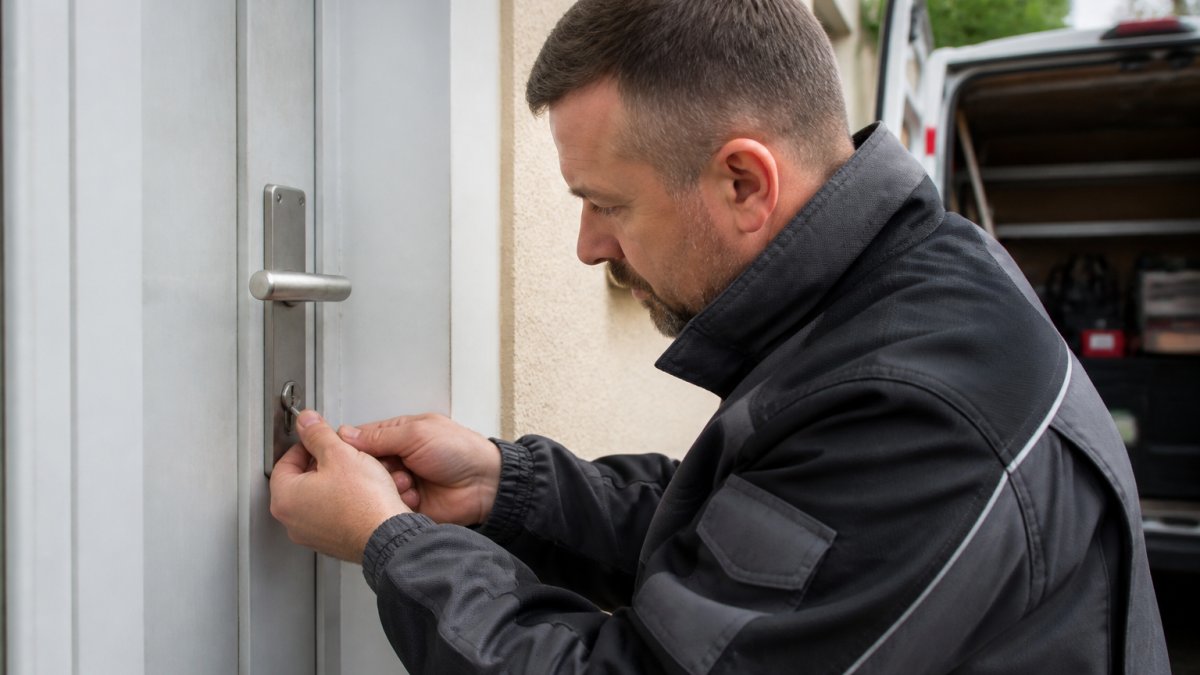
When you're locked out of your home, car, or business, panic sets in quickly. But calling the wrong locksmith can turn a bad situation into a worse one, they might damage your door, overcharge you, or compromise your security. That's why finding reliable locksmiths you can trust is essential.
The difference between a trustworthy professional and a cowboy operator comes down to a few key credentials and warning signs you can spot before they arrive.
This guide walks you through exactly how to vet locksmiths, spot common scams, and make a choice you can trust.
Signs of a Trustworthy Mobile Locksmith Service
A trustworthy mobile locksmith service answers their phone quickly, gives realistic timeframes upfront, doesn't pressure unnecessary work, and is transparent about costs before starting.
DBS Checks and Professional Accreditation
A genuine professional locksmith should have a Disclosure and Barring Service (DBS) check. Since locksmiths enter homes and vehicles, a DBS check proves they've been vetted and have no disqualifying criminal history.
Professional accreditation matters too. Look for membership in recognised bodies like the British Locksmiths Institute or the Master Locksmiths Association, members must meet training requirements and follow a code of conduct. If a locksmith claims accreditation, ask for their membership number and verify it independently. If someone won't show you proof, that's a red flag.
Public Liability Insurance and Guarantees
Public liability insurance protects you if something goes wrong. If a locksmith damages your door while opening it, their insurance covers the repair cost. Ask to see proof of insurance before work begins, a legitimate business will have it ready.
A guarantee on their work is equally important. A 12-month guarantee is standard for quality locksmiths. This means if the lock fails within that period, they'll fix it at no extra cost. This guarantee shows confidence in their workmanship.
How to Check Locksmith Credentials Before You Hire
Verification takes minutes and can save you hundreds of pounds and serious headaches. Do this before you commit to anything.
Verify DBS Status and Locksmith Accreditation
If they claim membership in the Master Locksmiths Association or British Locksmiths Institute, visit the organisation's website and search their membership directory. If they don't appear, they're not a member. For DBS checks, ask directly: "Can you show me your DBS certificate?" A legitimate professional will have it ready to show in person or via video call before work starts.
Check online reviews on Google, Trustpilot, and local directories. Look for patterns, one bad review is noise, but five saying the same thing is a pattern. Read the business's responses to complaints: do they try to fix issues or dismiss them?
Ask for Insurance Documentation and References
Request proof of public liability insurance before work starts, they should email you a certificate showing the insurance company name, their business name, coverage amount (at least £1 million), and current policy dates. Ask for at least three recent customer references and contact them to verify punctuality, professionalism, and durability of work. If a locksmith refuses to provide references or insurance documentation, move on.
Understanding Locksmith Pricing Transparency
Transparent pricing means no surprises: you get a quote, know what you're paying for, and the final bill matches.
Non-Emergency vs. Emergency Pricing: What You Should Expect
Non-emergency service applies during standard business hours (Monday to Friday, 8 AM to 5 PM) when you can wait for an appointment. Standard rates apply: typically £80-£150 for a straightforward lockout or lock repair, depending on job complexity and location (Cost guide: locksmiths).
Emergency service applies outside standard hours or when you need immediate access (nights, weekends, bank holidays, urgent access within 30 minutes, stranded vehicles, security breaches). Emergency work costs more because the locksmith responds outside standard schedule. Many charge a 25-50% premium or a separate call-out fee (typically £40-£80) on top of labour.
Some locksmiths advertise "no call-out fee" or "same price 24/7," meaning you only pay for actual work regardless of time of day. Ask directly: "Do you charge the same rate at 2 AM as at 2 PM?" Get the answer in writing.
Fixed Price Quotes vs. Call-Out Rates
Some locksmiths charge fixed prices ("Lock replacement: £150"), while others charge call-out plus labour ("Call-out: £50. Labour: £40/hour"), which can escalate quickly. Get a fixed price quote for your specific job in writing via email or text before work starts. If circumstances change, a reputable locksmith will provide an updated quote and ask permission before proceeding.
No Hidden Fees: What to Expect
Trustworthy locksmiths don't add surprise charges for emergency callouts, travel time, reasonable parts markup (10-20% above trade cost), diagnostics, or cancellation. Some advertise "no call-out fee," meaning you only pay for actual work, an increasingly standard model among reputable locksmiths.
Ask the locksmith directly: "Are there any charges other than the quote you've given me?" If they hesitate or add conditions, ask them to list every possible charge in writing. A professional will provide an itemised quote that breaks down:
- Call-out fee (if applicable)
- Labour cost
- Parts cost (with individual line items)
- Any emergency or weekend surcharge
- Total amount due
If the quote is vague ("Labour: TBD" or "Parts: to be confirmed"), push back. You deserve clarity before they start work.
Common Locksmith Scams to Avoid
Scams are common enough that you need to know them. Here's what to watch for.
The bait-and-switch: They quote £80 on the phone. They arrive and say your lock is "too complex" and now it's £300. They pressure you to pay immediately. Real professionals give updated quotes before starting work if circumstances change. They don't hold you hostage with inflated emergency pricing.
The damage hustle: They deliberately damage your lock or door during the opening process. Then they charge extra to "fix" the damage they caused. Legitimate locksmiths take care to minimise damage. If damage occurs, they own it and cover the cost.
The lock replacement con: Your lock jams slightly. They tell you it needs replacing. You need a new lock for £400. A real locksmith would try to repair it first. Replacement is a last resort, not the first suggestion.
The unlicensed operator: They're cheap because they have no insurance, no training, and no accountability. If something goes wrong, you have no recourse. They vanish. You're left with the damage and the cost.
The fake review factory: Hundreds of five-star reviews, all posted in the same week, all vague ("Great service!"). Real reviews are spread over time and specific ("He arrived in 25 minutes and fixed my broken key extraction quickly").
Emergency vs. Non-Emergency Services: What's the Difference
Not all lockouts are equal. The time of day and urgency affect pricing and response times.
Non-emergency service is a standard lockout during business hours, Monday to Friday, 8 AM to 5 PM. You're locked out of your home and can wait a few hours. Response times are typically 30 minutes to 2 hours. Pricing is standard.
Emergency service is anything outside those hours or when you need immediate help. Saturday, Sunday, 2 AM on a Tuesday, bank holidays, these all qualify as emergency. You've lost your car keys and need to get home. Your business is locked and you have a meeting in 30 minutes. Emergency service costs more because the locksmith is responding outside normal working hours.
Many locksmiths charge a premium for emergency work. Some charge the same rate all day, every day. N&G Locksmiths Service Ltd offers 24/7 emergency response with no call-out fee.
Ask your locksmith upfront: "What's your emergency response time?" and "Do you charge extra for nights and weekends?" Get a clear answer before you commit.
Your Vetting Checklist: Step-by-Step
Use this checklist before you hire any locksmith. Print it, save it, or screenshot it.
Before you call:
- Research at least three locksmiths in your area
- Read reviews on Google, Trustpilot, and local directories
- Check for patterns in reviews (not just one complaint)
- Note which ones mention accreditation or DBS checks
When you call:
- Ask for a fixed price quote for your specific job
- Ask if they charge extra for emergency/weekend calls
- Ask about their response time
- Ask if they offer a guarantee on their work
- Get the quote in writing (email or text)
Before they arrive:
- Request proof of DBS clearance
- Request proof of public liability insurance
- Ask for references from recent customers
- Verify any claimed accreditation on the organisation's website
- Check that the quoted price matches your understanding
When they arrive:
- Ask to see their DBS certificate and insurance documentation
- Confirm the price hasn't changed
- Ask about the guarantee in writing
- Get a receipt with all charges itemised
- Take photos of the work completed
This checklist takes 10 minutes. It's worth every second.
When to Call a Professional vs. DIY Attempts
Sometimes you can fix the problem yourself. Sometimes you can't. Knowing the difference saves money and prevents damage that costs far more than a locksmith visit.
When DIY Causes More Damage Than It Solves
The most common DIY mistake is attempting to force or pick a lock without proper tools or training. Here's why this backfires:
Lock picking without training. If you try to pick a lock using improvised tools (paperclips, bobby pins), you risk breaking the picking tool inside the lock mechanism. Once metal fragments are lodged inside, the lock becomes inoperable. A locksmith then has to drill out the lock entirely, costing £150-£300 instead of the £80-£120 it would have cost to open it properly. Additionally, picking can damage the internal pins and springs, requiring full lock replacement rather than simple opening.
Forcing a stuck lock. Applying excessive force to a jammed lock can break the key inside the lock cylinder, shear the lock mechanism, or crack the lock housing. A broken key left inside the lock prevents any key from entering. The locksmith must drill out the lock, which damages the door frame and lock housing. Total cost: £200-£400. A professional would have used penetrating oil, gentle manipulation, or specialised tools to open it without damage, costing £80-£150.
Using the wrong lubricant. Many people apply WD-40 or general-purpose oil to a stiff lock. These products attract dust and debris, making the lock worse over time. They can also damage the lock's internal springs and pins. The lock becomes even more difficult to operate. A locksmith then has to disassemble and clean the lock, or replace it entirely. Silicone-based lubricants are safe; oil-based products are not.
Attempting to rekey your own locks. Rekeying requires removing the lock cylinder, removing the springs and pins in the correct sequence, and replacing them with new pins that match your new key. If you drop a spring or insert a pin incorrectly, the lock won't function. You've now damaged a lock that was working. A locksmith can rekey a standard lock for £40-£80. Replacing a lock you've damaged costs £120-£200.
When DIY Is Actually Safe and Reasonable
Your key is stuck but not broken. Try graphite powder (not oil). Graphite is a dry lubricant that doesn't attract dust. Insert the key partway, apply a small amount of graphite powder to the key, and gently work the key in and out. This often frees a stuck key. Cost: £3-£5 for graphite powder. If this doesn't work within a few attempts, stop and call a locksmith. Continued forcing risks breaking the key.
Your door handle is loose or wobbly. Check the screws on the handle and lock mechanism. Tighten them with a screwdriver. This is safe and takes 2 minutes. Cost: £0. If tightening doesn't help, the handle mechanism may be worn and needs replacement, call a professional.
Your lock is stiff or slow to turn. Use a silicone-based spray lubricant (not WD-40). Spray a small amount into the lock keyway and work the key in and out gently. Wipe away excess lubricant. This is safe and often solves the problem. Cost: £4-£8 for silicone spray. If the lock remains stiff after one application, it may have internal damage. Stop and call a locksmith.
You want to change your locks after moving in. If you're comfortable with basic tools and have the right lock replacement kit, you can replace a simple pin-tumbler lock yourself. However, this requires:
- The correct replacement lock (must match your door type and existing hardware)
- A screwdriver and possibly a drill
- Understanding of how to remove the old lock without damaging the door
- Knowledge of how to install the new lock so it aligns properly
If any of these steps are unclear, call a locksmith. A misaligned lock won't work reliably and may damage your door. A locksmith can replace a standard lock for £120-£180, including labour. If you damage the door attempting DIY, repair costs £200-£500.
The Decision Framework: Call a Professional If
- You're locked out and can't get inside. Forcing entry risks door damage. A locksmith opens it without damage in 20-30 minutes.
- Your key broke in the lock. Attempting to remove a broken key often pushes fragments deeper into the lock. A locksmith has extraction tools designed for this.
- Your lock is damaged, jammed, or won't open with the correct key. Internal damage requires professional diagnosis. DIY attempts risk making it worse.
- You need a lock replaced or upgraded. Improper installation causes security gaps or misalignment. A professional ensures it works correctly and securely.
- You've lost all your keys. You need a locksmith to open the lock and either rekey it or replace it with a lock you have keys for.
- You need emergency access to a vehicle or business. Speed and damage prevention matter. A locksmith has the right tools and experience.
- You've already tried a DIY fix and it didn't work. Stop immediately. Further attempts compound the damage. Call a professional to assess what went wrong.
Conclusion
Finding reliable locksmiths in your area doesn't have to be stressful. You now know what credentials matter, what questions to ask, and what red flags to watch for. A trustworthy locksmith has DBS clearance, professional accreditation, public liability insurance, and a guarantee on their work. They give fixed price quotes and answer questions directly.
When you need fast, honest locksmith services, N&G Locksmiths Service Ltd delivers 24/7 emergency response with no call-out fee, transparent pricing, and a 12-month guarantee on all work. Our certified professionals arrive within 30 minutes and handle everything from emergency lockouts to security upgrades. Call Now and get the peace of mind that comes with knowing a real professional is on the way.
Frequently Asked Questions
How can I verify if a locksmith is legitimate before they arrive?
Ask for their DBS check certificate, public liability insurance documentation, and locksmith accreditation details before booking. Request their trading name and check it against the local business register. Legitimate professionals will provide proof without hesitation. Ask how quickly they can arrive and whether they offer a fixed price quote upfront. A reliable locksmith will answer these questions clearly and give you time to verify their credentials.
What questions should I ask a locksmith about their credentials and experience?
Ask: Are you DBS checked? Do you carry public liability insurance? What accreditation do you hold? How long have you been operating? Can you provide references? Do you offer a guarantee on your work? Can you give a fixed price quote before starting? A trustworthy professional will answer all of these directly and offer documentation to prove their claims. Avoid anyone who becomes evasive or refuses to discuss their qualifications.
What's the difference between emergency and non-emergency locksmith pricing?
Emergency services (typically 24-hour callouts, night-time, or weekend work) usually carry a higher call-out rate than standard daytime appointments. Non-emergency services are booked in advance during normal hours and cost less. Transparent locksmiths will quote both rates separately and explain what triggers emergency pricing. Always ask whether there's a call-out fee and whether the quote includes labour, parts, and any additional charges so you understand the full cost upfront.
What are common locksmith scams I should watch out for?
Avoid locksmiths who quote extremely low prices then demand payment for 'additional work' on arrival. Don't use someone who can't provide insurance or accreditation documentation. Be wary of call centres that won't tell you the name of the actual tradesperson arriving. Never pay cash upfront without a receipt or agreement. Scammers often use vague business names, avoid written quotes, and pressure you during emergencies. Always request a fixed price quote, ask for identification, and verify their credentials before letting them access your property.